Houston Area Pediatric Specialists

Independent pediatric specialists aim to serve our community. We want to share news and analysis regarding our specialties and our practices.


Showing posts with label childhood sleep disorders. Show all posts

Wednesday, March 19, 2014

Losing Sleep Could Kill Brain Cells

This study was conducted in mice, looking at markers that predict injury to neurons.  If the same phenomenon is present in humans, it might change our sleep habits.  Dr. Susarla 
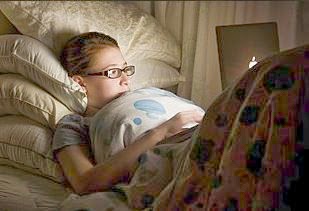
Losing Sleep Could Kill Brain Cells

Late-shift workers, students and other night owls take note –  a new sleep study from researchers at the University of Pennsylvania has shown for the first time that extended periods of sleeplessness can lead to irreversible brain damage. 
While previous studies have shown cognitive performance declines after sleep loss, the latest research challenges the long-held notion that a "sleep debt" could be recovered by makeup rest. Researchers at UPenn and collaborators at Peking University have found extended periods of wakefulness actually kill some neurons and cause damage to others. 
Scientists knew there were certain neurons in the brain stem that are awake when we are awake and "sleep when we sleep," says Dr. Sigrid Veasey, a study author and professor at UPenn's Perelman School of Medicine. 
“This gave us an indication that maybe [the cells] needed their rest,” she says. “We hypothesized that the cells that were going to be the most likely to get injured would be some of the cells that are active during wakefulness.”
These particular neurons located in the brain stem are critical to attention, cognitive performance and also play a role in determining one’s mood.
“So if there’s an injury to these neurons, then you may have poor ability to pay attention and you might also have depression,” Veasey says.
Veasey and her colleagues used a mouse model to explore the impact of imposed wakefulness on mice’s brains. They separated mice into three groups. One group was allowed sleep as usual, another group was kept awake for three additional hours during their normal sleep period in a space outfitted with "play" items – wheels, toys and other mice. A third group of mice was kept awake in a similar environment during their normal sleep period for an additional eight hours, for three days.
Humans and other mammals share these same neural networks, so looking at wakefulness in mice is a good proxy for understanding the sleep habits of humans.  
“There’s every indication that they function the same way,” says Veasey.
After procuring brain tissue from the mice, researchers found an increase in the amount of a protein known as SirT3, that protects these "wake-active neurons" from damage among the mice who were kept from sleeping for shortened periods, but the mice who were kept awake for extended periods did not show any increase in this protective protein. Researchers also found a 25 to 30 percent loss of neurons and an increase in what’s known as oxidative stress in the extended wakefulness group of mice. This stress causes the proteins inside these neurons to fold on top of each other and can prevent them from communicating with other neurons. Some of the mice had a genetic deletion which stopped them from producing this key protein. Those mice also incurred damage to these sleep-sensitive neurons, even with only short-term sleep loss. 
“So really the cells that are remaining just don’t function well,” says Veasey.
The results of the study emphasize the critical importance of sleep, says Veasey. 
“You can push the system a little bit, but you can’t push it too hard and for too long or you’ll have irreversible consequences,” she says.
For students, academics and other professionals looking to gain an edge, Veasey says, “You’re at a time in your life when you really have to pull a couple of all-nighters to sustain that edge academically or professionally, but by cutting our sleep times short then do we end up losing that edge in the long term because we lose those neurons that are so critical for attention?”
Veasey says while she can't repeat this study in humans, there is certainly room for more research.
In addition, having learned the critical importance of this protective protein SirT3, researchers believe that it could provide avenues for new treatment.
"If we can show that we can protect the cells and wakefulness, then we're launched in the direction of a promising therapeutic target for millions of shift workers," said Veasey in a press release.
Future studies could use brain imaging techniques to look at people with sleeping disorders to help researchers better understand the damage that's incurred through sleep loss.
The study was first published Tuesday in the Journal of Neuroscience.

Monday, February 3, 2014

No technology helps kids get healthy sleep

This article explains why having no technology in a child's bedroom is pivotal to ensure the child gets healthy and quality sleep.

Here's the scenario: A child is glued to his Xbox, or maybe his iPhone or iPad and won't go to bed. Frustrated, mom or dad gives up the fight and walks away, letting the kid play just a little longer -- even though it's a school night.

But an expert on children's sleep says parents need to buck-up.

Dr. Daniel Lewin, associate director of Pediatric Sleep Medicine at Children's Medical Center, says he too has a child who wants to be on the computer constantly.

"It's simply modeling and limit setting, which is critical," Lewin says.

It comes down to parents limiting their own exposure to electronics, especially while in front of children. This helps show the behavior they'd like their kids to mimic.

Lewin says in a culture with constant access to electronic media, there's a lot of pressure to perform.

But "those kids who are on media devices to do their homework and when that's done right before bedtime they're impacting their sleep," says Lewin.

When it comes to kids, Lewin recommends making sure the electronics are off at least an hour before bedtime. That's because the light actually shuts down the biological process that initiates sleep.

"Sleeping with a dim light in the bedroom is fine. But sleeping with electronics on in the bedroom is really not optimal," Lewin says.

For children who take ADHD medication, Lewin says it's extra important to make sure he or she is getting a good night's sleep.

"Getting enough sleep at night is critical for attention, for regulation of emotion," says Lewin. He says it's really important to be able to recognize the signs of sleep disorder and to recognize the signs of inadequate sleep.

"We have a lot of kids who are on ADHD medications. We could start by optimizing sleep before putting kids on medications. Some certainly need it," Lewin says.

There's also a relationship between sleep deprivation and mood, including suicidal thoughts. Chronic sleep deprivation can lead to high blood pressure, strokes and Type 2 diabetes.

Children around the ages of 12 and 13 should get 9.5 to 10 hours of sleep. Older children and adolescents should get about 9.5 hours of sleep.

And, Lewin adds, "The American Academy of Pediatrics has been very clear: no TVs in the bedroom and no electronics in the bedroom absolutely critical."

Read more here

Friday, March 29, 2013

Superheroes and Their Sleep Disorders

A funny, but interesting article exploring the mundane problems facing all us 9 to 5 superheroes. Dr. Susarla


Superheroes and Their Sleep Disorders


The new Iron Man 3 trailer premiered Tuesday in theaters around the world. In it, the armored superhero quietly introduces viewers to the evil new threat he will be facing this summer.
"I'm Tony Stark. I build neat stuff. I got a great girl, and I occasionally save the world. So why can't I sleep?"
From the haggard look on Tony's face, it looks like all of the late nights perfecting newer versions of his suits, dealing with the issues that go along with dating your secretary, and stress from chafing that none of us could imagine has finally caught up to Iron Man.
With an estimated 50-70 million Americans dealing with sleep disorders of one kind or another, it is inevitable that superheroes and supervillains would most likely be suffering from them, too. Having worked with many professional athletes, I thought I would apply that experience in an effort to help several characters who clearly have sleep issues.
Batman
2013-03-07-ChrisWinterBatmanImage.jpg
Detective Comics, Volume 1 #587: Published June 1988, Cover artist: Norm Breyfogle

Holy night owls! The Caped Crusader is a classic example of an individual with delayed sleep-phase disorder. These nocturnal folks have difficulty winding down in the evening and clearly prefer staying up late. Conversely, they often have extreme trouble waking up in the morning. This can create difficulties at work as tardy arrivals tend to add up. Bruce Wayne clearly has these tendencies, working long hours in his cave or staying out fighting crime. While technically employed at Wayne Enterprises, he seems to have no qualms about sleeping in. With no wife or kids in the house, there really seems to be no set schedule for waking. Unfortunately, his butler Alfred seems all too happy to enable his delayed schedule.
So what if you sleep like Batman? Consider setting a hard-and-fast wakeup time for yourself in the morning. Instead of Bat Cave lighting in the morning, consider investing in a light box to help your brain understand it is morning. Ten minutes of bright light upon awakening will help inhibit secretion of melatonin, a sleep-promoting chemical. This will not only facilitate wakefulness, but also help aid in an earlier bedtime. Remember, no computers or bright lights in bed. They can be stimulating. Finally, if someone is shining a bright light into the sky to get your attention at night, consider room-darkening shades.

Thursday, March 21, 2013

Spotting Sleep Problems in Special-Needs Children

Some sage advice for parents of special needs children... Dr. Susarla


Spotting Sleep Problems in Special-Needs Children

Small changes at home can help them get essential shuteye


TUESDAY, March 5 (HealthDay News) -- About 30 percent of children have a sleep disorder, but the rate is even higher in children with special needs, an expert says.
This increased risk in children with special needs is likely related to physical and behavioral differences, as well as side effects from medication, said Dr. Jennifer Accardo, director of the SleepDisorders Clinic and Lab at the Kennedy Krieger Institute in Baltimore, Md.

Not all children with special needs who have sleep disturbances will be diagnosed with a sleep disorder, but early detection of common signs is the key to improving sleep. Parents know theirchild's sleep patterns best and can spot sleep issues if they know what to look for.
Signs of sleep problems in school-age children with special needs include: snoring; difficulty falling or staying asleep; sleepwalking,night terrors and other nighttime activities; sleeping too much; and needing parents to be in the room to fall asleep.
"While a good night's sleep is important for all children, it is especially critical for children with special needs," Accardo said in an institute news release. "Parents can make small changes at home to help their child get a better night's sleep and improve their performance in daytime activities, therapies and social interactions."
Accardo offered tips to improve sleep for children with special needs:
  • Make sleep a priority and develop a bedtime routine.
  • Keep schedules consistent every day on both weekdays and weekends.
  • Make the bedroom a restful place and have your child sleep in the same place every night.
  • Avoid caffeine.
  • Put your child to bed when he or she is sleepy, but not yet fully asleep.
  • Address anxiety, which is common in children with special needs.
  • Take note of signs of sleep problems.
"If parents are concerned about their child's sleep patterns and behaviors, they should consult with their pediatrician or a sleepexpert," Accardo said. "Sleep evaluations can be extremely beneficial in identifying causes and ultimately improving sleep for the entire family."


Read article here.

Sunday, September 23, 2012

Using iPads before bed 'can lead to a poor night's sleep'

We all love them.  Unfortunately, these bright LED screens can interfere with our brain's cues that signal sleep onset.  Dr. Susarla


Using iPads before bed 'can lead to a poor night's sleep'

Using tablet computers like Apple’s iPad and Samsung’s Galaxy Note just before bed can lead to a poor night’s sleep, according to research.


More and more people are taking their tablets to bed with them to surf the web, check Facebook or email before switching off the light.
But researchers are warning that the blueish light their screens emit can stop users getting a good night’s sleep.
That is because this type of light mimics daylight, convincing the brain that it is still daytime.
Blue light suppresses production of a brain chemical called melatonin, which helps us fall sleep. This is because our brains have evolved to be wakeful during daylight hours.
By contrast, light which is more orange or red in tone does not suppress melatonin production, perhaps because our brains recognise it as a cue that the day is ending.
However, because mobiles and tablets are by nature portable - not to say addictive - more people are taking them into the bedroom.
Users also tend to hold them much closer to their eyes than a computer or television screen.
Researchers at the Lighting Research Centre, at the Rensselaer Polytechnic Institute in New York, are warning that looking at tablet displays for more than two hours “leads to a suppression of our natural melatonin levels as the devices emit optical radiation at short wavelengths” - in other words, they emit bluer light.
They say: “Although turning off devices at night is the ultimate solution, it is recommended that if these devices are used at night displays are dimmed as much as possible and that the time spent on them before bed should be limited.”
They drew their concludions after measuring melatonin levels in 13 volunteers, after they had spent time viewing iPads at full brightness at a distance of 10 inches, for two hours.
Melatonin levels were significantly lower after they had done this, than they were after the volunteers had viewed their iPads for the same time, but while wearing orange glass goggles, which cut out the blue light.
They wrote in the journal Applied Ergonomics that tablet makers could "tune the spectral power distribution of self-luminous devices" so that they disrupted the sleep patterns of users less.
It is not just a good night’s sleep that could be jeopardised by too much late night screen time.
Researchers know that persistent disruption to sleep patterns can lead to an increased risk of obesity, and even breast cancer.
However, these studies tend to be comparisons of those with chronic sleep disruption, such as long term shift workers, with those who have normal sleep patterns.

Monday, September 3, 2012

Snoring Kids Should Be Screened for Sleep Apnea

It's nice to see media outlets covering this important health issue for children.  The AAP has rightfully updated an outdated guideline given the dangers of untreated sleep apnea. Dr. Susarla


AAP Issues New Guidelines for Kids’ Snoring

ABC News Medical Unit

A new set of practice guidelines released Monday by the American Academy of Pediatrics (AAP) may help parents and pediatricians uncover things that go snore in the night.
Pediatric sleep experts focused on children with a condition known as uncomplicated obstructive sleep apnea, which occurs when breathing is interrupted during sleep and is related to enlarged tonsils or obesity.  It is a condition the AAP says affects 1.2 to 5.7 percent of American children. They reviewed evidence from 350 study articles between 1999 and 2010 to create the following recommendations:
  • Screening: All children and adolescents should be screened for snoring at their routine health visits.
  • Sleep testing: Any children who have symptoms of obstructive sleep apnea, such as habitual snoring, disturbed sleep from intermittent pauses, snorts or gasps, or daytime behavioral problems, should be referred for a sleep study.
  • Adenotonsillectomy: Any child with obstructive sleep apnea and enlarged tonsils should be referred to a surgeon to consider tonsil removal surgery.
  • High risk: A child undergoing tonsil surgery is considered “high-risk” if he or she is under age 3, has severe sleep apnea on sleep testing, is obese or currently has an infection. These children should be closely monitored in the hospital after surgery for any complications.
  • Re-evaluation: After surgery, snoring children should be reassessed to see if their sleep apnea has improved or if they will need any further treatments.
  • CPAP: If symptoms do not improve after surgery or if a child is unable to get surgery for some reason, they should be considered for CPAP (continuous positive airway pressure), which is a breathing apparatus, often worn at night, that keeps airways open.
  • Weight loss: Weight loss is recommended for any overweight or obese patient in addition to any other treatments.
  • Intranasal steroids: Nasal sprays are recommended for patients with mild sleep apnea symptoms, whether in lieu of or after tonsil surgery.
The last set of guidelines for pediatric sleep apnea was released in 2002. The changes reflected in these new guidelines were made in light of research over the past 10 years that has suggested that delayed diagnosis of childhood sleep apnea “can result in severe complications if left untreated,” according to the American Academy of Pediatrics report. Examples include cognitive deficits, behavior problems, hypertension and heart problems, failure to thrive and inflammation throughout the body.
With these new guidelines, the AAP hopes that more cases of childhood sleep apnea will be diagnosed sooner and children will receive the proper treatments earlier to prevent these dangerous long-term effects.
“These new guidelines are extremely important,” says Dr. Vikas Jain, a sleep specialist at Integris Health in Oklahoma City.
“Pediatric sleep apnea is a rising problem among American children and leads to serious consequences,” he says. “The sooner we can diagnose a child with this condition, the sooner we can get these kids started on the right treatments to improve their quality of life and their overall health.”

Wednesday, June 13, 2012

CPAP for Sleep Apnea Reverses Neurobehavioral Problems in Children

Thanks to Dr. Susarla for posting this article! Dr. Rotenberg

Sleep apnea in children results in problems in the way kids function during the day.  For children that need it, this study confirms that CPAP use can REVERSE issues of daytime sleepiness, behavioral problems, and attention deficits.  A CPAP desensitization service that addresses the difficulties of getting started can make the process easier.  Dr. S 


Effects of Positive Airway Pressure Therapy on Neurobehavioral Outcomes in Children with Obstructive Sleep Apnea

Abstract (summary)


Rationale: Positive airway pressure therapy is frequently used to treat obstructive sleep apnea in children. However, it is not known whether positive airway pressure therapy results in improvements in the neurobehavioral abnormalities associated with childhood sleep apnea. Objectives: We hypothesized that positive airway pressure therapy would be associated with improvements in attention, sleepiness, behavior, and quality of life, and that changes would be associated with therapy adherence. Methods: Neurobehavioral assessments were performed at baseline and after 3 months of positive airway pressure therapy in a heterogeneous group of 52 children and adolescents. Measurements and Main Results: Adherence varied widely (mean use, 170 ± 145 [SD] minutes per night). Positive airway pressure therapy was associated with significant improvements in attention deficits (P < 0.001); sleepiness on the Epworth Sleepiness Scale (P < 0.001); behavior (P < 0.001); and caregiver- (P = 0.005) and child- (P < 0.001) reported quality of life. There was a significant correlation between the decrease in Epworth Sleepiness Scale at 3 months and adherence (r = 0.411; P = 0.006), but not between other behavioral outcomes and adherence. Behavioral factors also improved in the subset of children with developmental delays. Conclusions: These results indicate that, despite suboptimal adherence use, there was significant improvement in neurobehavioral function in children after 3 months of positive airway pressure therapy, even in developmentally delayed children. The implications for improved family, social, and school function are substantial. Clinical trial registered with www.clinicaltrials.gov (NCT 00458406).

Friday, April 6, 2012

ADHD and Stuff That's Like It

No doubt ADHD is real, but it can be confused with other conditions including sleep disorders.  SS


“My child is having trouble at school. The teacher says I should ask about ADHD.”  Sound familiar to you? It should.
The diagnosis of ADHD is being made more frequently than ever before. In 2010, a whopping 10 million children were diagnosed with ADHD, which is a 66 percent increase from 10 years ago! What concerns me is that many are being incorrectly diagnosed with ADHD by busy pediatricians who don’t take the time to ask some important questions.
I once had a hyperactive 9-year-old patient with sleep apnea who snored so badly that he would stop breathing dozens of times each night. An operation by the ENT (Ear, Nose and Throat) surgeon cured his apnea and improved his behavior.
So what is ADHD? It stands for “Attention Deficit Hyperactivity Disorder.”  Children with ADHD can be impulsive and often have trouble waiting their turn. They are often forgetful, sloppy with schoolwork and chores, and have short attention spans. They are fidgety, squirmy and can be excessively talkative. Parents describe them as being so active that they seem to be “driven by a motor”.  I know what you’re thinking … don’t all children act like this? Yes, but children with ADHD have severe symptoms that impair the child’s functioning, specifically, their ability to do well in school, make friends and avoid injury due to reckless behavior.
While ADHD treatment is generally safe and very effective, it is important to make sure that we are treating the right condition. With that being said, here are some important questions to consider before visiting your pediatrician:
Does your child get a restful sleep every night? Unlike adults who become groggy and slow after a bad night of sleep, children can become hyperactive and rowdy. Inform your doctor of any sleep disturbances such as frequent nightmares, fidgetiness, bedwetting, trouble falling asleep or trouble staying asleep. Make sure your child gets at least 8-10 hours of sleep each night. 
Does your child behave violently? Do they do things just to spite you? Violent behavior is not a criteria for ADHD. The real question is where did your child learn this behavior? At least once a month I see a child for “ADHD” who lives in a home where one parent is emotionally or physically abusing the other. Children are like sponges that can easily pick up on violent tendencies from their parents, television, movies and video games. Other possibilities to explain violent behavior include oppositional defiant disorder and conduct disorder.
Is your child easily embarrassed? Does he or she have low self-esteem? Is your child a worrier? Again, these are not part of the ADHD criteria. Your child might have depression or anxiety. I know it sounds strange to think that a young child could have depression, but it is more common than you may think.
Does your child misbehave only in school? If so, are there specific teachers, students or situations that seem to elicit this behavior? Perhaps your child has a learning disability? Perhaps vision or hearing problems make it difficult for your child to concentrate in school? Maybe your child is being bullied? All of these can be terribly distracting for a young child and can contribute to poor behavior. School problems may warrant an evaluation by the child’s school for learning disabilities and a hearing and vision screening by your pediatrician.
Want to really impress your doctor? Fill out the “Vanderbilt” ADHD assessment tool. There is a parent form and a teacher form. Your doctor will score the sheet. This very simple tool can help determine whether your child has ADHD or something else.
Are you concerned about your child’s behavior? Has anyone told you that your child should be evaluated for ADHD? Please share your experiences.
Mario Cruz is is an assistant professor of pediatrics at Drexel University College of Medicine and an academic pediatrician at St. Christopher's Hospital for Children.
Posted by Mario Cruz, M.D. @ 6:53 AM 
http://www.philly.com/philly/health/Think-your-child-has-ADHD-Think-again-.html?cmpid=138896554

Read more: http://www.philly.com/philly/health/Think-your-child-has-ADHD-Think-again-.html?cmpid=138896554#ixzz1rG6nyNBK

Sunday, April 1, 2012

Sleep Disorders Increasing in Children


Sleep does not come easily for some children

By Paul Swiech pswiech@pantagraph.com 


Sleep disorders are more prevalent among children than most people realize, according to two Central Illinois sleep medicine specialists.
Sometimes, sleep disorder symptoms in kids are misdiagnosed and treated as other health conditions, including behavior disorders, meaning the underlying problem isn't addressed.
Sometimes, an untreated sleep disorder exacerbates symptoms of another medical condition, including attention deficit hyperactivity disorder.
"Thirty to 40 percent of kids 9 to 12 years old have difficulty falling asleep or staying asleep at least three days a week," said Dr. David Koh, a pulmonologist and critical care physician with Illinois Heart & Lung Associates, part of Advocate Medical Group. Koh figures the prevalence among children younger than 9 is similar.
While those children have sleep problems that should be addressed, not all have a diagnosable sleep disorder. Dr. Humam Farah of OSF Critical Care, Pulmonary and Sleep Medicine, said 4 percent of children have a sleep disorder.
Koh, medical director of the Midwest Center for Sleep Medicine, said the increasing numbers are partly because of improved diagnoses but he also thinks that more children have sleep disorders than a generation ago.
Farah, medical director of the Sleep Center of Central Illinois, said increased obesity is one reason for the increase. Obesity results in fat in the upper airways. Narrowed airways interrupt breathing and sleep and decrease oxygen to the brain.
Some children inherit a sleep disorder, such as restless leg syndrome (RLS) and periodic limb movement disorder.
RLS is a neurological condition characterized by the irresistible urge to move the legs, according to the RLS Foundation. The urge to move the legs is often accompanied by unpleasant sensations in the legs that worsen during periods of rest or inactivity and at night.
Periodic limb movement disorder is a rhythmic twitching of the legs after falling asleep, Koh said.
Both conditions prevent deep sleep and wake people up at night.
While RLS is generally associated with older adults, 2 percent of children have the condition. When either parent has RLS, the prevalence among children increases to 16 percent, Koh said.
In addition, many children with RLS or periodic limb movement disorder also have low iron levels, Koh said.
RLS is worsened by stimulants such as caffeine or chocolate.
When people are sleep-deprived and stressed, that increases the body's desire for fatty foods. Increased consumption of fatty foods prompts weight gain.
Sometimes, increased stress on the cardiovascular system prompts the kidneys to produce more urine, resulting in bed-wetting.
But many parents don't recognize their child has a sleep disorder. Instead, they focus on the daytime symptoms of lack of sleep: irritability, declining academic performance, weight gain and a wet bed.
Some children with a sleep disorder are assumed to have a behavior disorder. Others are diagnosed with ADHD.
Indeed, some have ADHD with a sleep disorder. Thirty percent of children treated for ADHD have a diagnosable sleep disorder, Koh said. When those 30 percent of children are treated successfully for their sleep disorder, about half of them are able to be weaned off their ADHD medicine.
Children who have trouble falling asleep and staying asleep should be taken to their pediatrician, Koh and Farah said. The pediatrician may refer them for a sleep study. The two sleep centers in Bloomington perform overnight sleep studies.
Some children are diagnosed with sleep apnea, a common disorder in which a person has pauses in breathing or shallow breathing while sleeping. Sleep is interrupted. Left untreated, sleep apnea increases long-term risk of heart disease and stroke.
For children, a common treatment for sleep apnea is removing enlarged tonsils or adenoids.
Some children are treated with continuous positive airway pressure masks, which supply a steady stream of air through the nose or mouth during sleep, Farah said.
Weight loss is a key for overweight children, Farah said.
For children diagnosed with RLS or periodic limb movement disorder, medicine such as Mirapex can lessen the symptoms and improve sleep, Koh said. Iron supplements can help boost iron levels.
Sleep tips
Newborns need 16 to 18 hours of sleep a day, toddlers 6 months to 1 year old need 14 hours of sleep a day, children ages 1 to 3 need 12 hours of sleep a day, preschoolers need 11 to 12 hours of sleep, school-age children ages 5 to 13 need 9 to 10 hours of sleep a day and teenagers need 9 hours of sleep a day. Many children and teens don't get that much sleep. Here are tips for children to get a better night's sleep:
-- Don't have caffeine and limit chocolate, which are stimulants.
-- Don't eat a meal or exercise at least two hours before bedtime.
-- Try to go to bed and get up about the same time each day.
-- No videos (television, video games, computer games) within two hours of bedtime.
-- No electronics (televisions, computers, cellphones) in children's rooms at night.
-- For young children who are older than 6 months, make sure they fall asleep in the same position in which they will wake up. In other words, don't let them fall asleep in your arms. Instead, go through your bedtime routine (bath, bedtime story, etc.), then put them to bed, wish them good night and leave their room. If they get up and come into your room, direct them back to their room politely but unemotionally. They should learn to fall asleep on their own.
-- For children who want some light, dim nightlights are OK.
-- For older children, don't tell them "Go to sleep." You can't force someone to go to sleep. Instead urge them to go to bed and relax.


Read more: here