Houston Area Pediatric Specialists

Independent pediatric specialists aim to serve our community. We want to share news and analysis regarding our specialties and our practices.


Showing posts with label child sleep specialist. Show all posts

Monday, June 22, 2015

Sleep or die -- growing body of research warns of heart attacks, strokes

Updated recommendations from the American Academy of Sleep Medicine regarding appropriate sleep time should be reviewed carefully.  Too little sleep is consistently associated with increased medical risk. Dr. Susarla

We have all experienced the aftermath of a bad night's sleep: grogginess, irritability, difficulty carrying out even the simplest of tasks. A growing amount of research suggests that not getting enough shut-eye could also have insidious effects on heart disease, obesity and other conditions.
The American Academy of Sleep Medicine, the largest physician-based organization for sleep medicine, recently put out their first recommendations for what is the right amount of sleep. It advises that adults get at least seven hours every night based on research on the link between inadequate sleep and a number of poor health outcomes. 
Although most of us already know that we should get at least seven hours of sleep, a study last month suggested that Americans are creeping down to that cutoff. The average amount of sleep that they reported getting a night has dropped from 7.4 hours in 1985 to 7.29 hours in 1990 to 7.18 in 2004 and 2012. 
The Centers for Disease Control and Prevention, which requested and helped support the development of the current recommendations, has called not getting enough sleep a public health epidemic.

Monday, March 24, 2014

White Noise Might Be Too Noisy

See below.  Not all "infant sleep machines" are safe for infant ears. Dr. Susarla

Caution urged for infant sleep machines

Infant sleep machines have become a popular aid for parents with a baby getting inadequate sleep because of a busy household, loud neighbors or other noise disturbances.
But a new study says parents should be cautious with the devices because they can generate sound levels that could place infants at risk of developing noise-induced hearing loss. In addition, they are often sold with limited or no instructions for safe use, says the study published online Monday by the journal Pediatrics.
The machines -- which can be used to mask environmental noises or provide ambient noise designed to soothe an infant during sleep -- "are capable of producing levels that may be damaging to babies' hearing," says Blake Papsin, otolaryngologist-in-chief at the Hospital for Sick Children in Toronto and senior author of the study.
Using a sound level meter, Papsin and colleagues tested the maximum noise levels of 65 sounds in 14 different infant sleep machines when placed at three distances: 30 centimeters (11.7 inches -- simulating placement on a crib rail): 100 centimeters (39 inches -- simulating placement on a table near a crib); and 200 centimeters (78 inches -- simulating placement across the room from a crib.) Calculations were added to account for the size and development of a 6-month-old's ear canal.
The sounds included white noise, nature sounds (rain, thunder, wind, ocean, river, campfire, insect and bird sounds), mechanical sounds (including traffic, train, airplane and machinery sounds) and heartbeat sounds.
When set to their maximum volume:
-- All 14 sleep machines exceeded 50 decibels at 30 cm and 100 cm, the current recommended noise limit for infants in hospital nurseries.
-- All but one machine exceeded that recommended noise limit even when placed across the room, 200 centimeters away.
--Three machines produced outputs greater than 85 decibels when placed 30 cm away. If played continuously, as recommended on several parenting websites, infants would be exposed to sound pressure levels that exceed the occupational noise limits for an 8-hour period endorsed by the National Institute for Occupational Safety and Health and the Canadian Centre for Occupational Health and Safety
Regular exposure to white noise through an infant sleep machine on a nightly basis is of particular concern, Papsin says, because an infant's brain needs the stimulation it receives from a range of sounds in order to develop properly. "Completely removing all informational content at a loud, potentially damaging level is the worst," he says.
Most of the devices studied featured a volume control, which suggests that safer use is possible and that the machines can be used in accordance with recommendations for hospital nursery noise, Papsin says.
With that in mind, the study says manufacturers should be required to limit maximum output levels; print warnings about noise-induced hearing loss on the machine's packaging; and include a mandatory timer on machines marketed primarily for infants that would make them automatically shut off after a predetermined period of time.
Families can more safely use the machines if they place them as far away as possible from the infant and never in the crib or on a crib rail; play the the devices at a low volume; and operate them for a short duration of time.
â??Parents "can feel desperate and want to try anything" when a baby has difficulty sleeping, says Nanci Yuan, pulmonologist and sleep medicine specialist at Lucile Packard Children's Hospital Stanford.
She was not involved in the study.
But this research highlights the potential for a previously "unknown harm that can occur," Yuan says. "We're getting more and more concerned about issues related to sound and noise and hearing-loss in children because it's progressive."
Given today's very industrial lifestyle, "there's a lot of noise around, so it's always good, especially with young children, to really know what types of exposures they're getting and the effects they can have long term," adds Linda Hazard, an audiologist certified by the American Speech-Language-Hearing Association â?? and director of the Vermont Early Hearing Detection and Intervention Program.
"It's important to recognize that the authors are not saying not to use (the machines)," says Hazard, who was not involved in the study. "They're saying use them judiciously and get information about how they're performing." The recommendation that manufacturers include instructions about how the devices should be used is equally important, she says.
The paper "intentionally" does not identify any specific brands, models or manufacturers, Papsin says, "because the point is to start the conversation that every one of these is capable of damage if used inappropriately."

Monday, June 10, 2013

Preemies' Risk for SIDS Jumps with Prone Sleep


A well designed research study reinforces the importance of "back to sleep", showing that oxygen saturations in newborn infants tend to be lower in the prone position.  Dr. Susarla


Preemies' Risk for SIDS Jumps with Prone Sleep


BALTIMORE -- Preterm infants who sleep in the prone position may be at additional risk for sudden infant death syndrome (SIDS) due to decreased cerebral oxygenation, researchers reported here.
Measures of cerebral tissue oxygenation in preterm infants showed prone position sleeping was associated with significantly 7% reduced tissue oxygenation during quiet sleep at weeks 2 to 4, and months 2 to 3 (P<0.05), according to Karinna Fyfe, PhD, of the Ritchie Center of Monash University in Melbourne, Australia, and colleagues.
The preterm infants also had 3% significantly lower cerebral oxygenation during quiet (P<0.01) and active sleep (P<0.05) when sleeping in the prone position at 5 to 6 months, Fyfe said during an oral presentation at the Associated Professional Sleep Societies meeting.
The authors noted that preterm infants are at 9.6% increased risk for SIDS, which may be associated with cardiovascular instability and failure of arousal from sleep. Preterm births are also associated with lower blood pressure, abnormal blood pressure control, higher heart rate, and reduced heart rate control in infants.
The prone sleeping position has been associated with reduced blood pressure and cerebral oxygenation in full-term infants, which increases risk for SIDS.
The authors studied cerebral oxygenation and continuous blood pressure in a population of 25 otherwise healthy preterm infants who had 27 to 36 weeks gestation. Special attention was paid to months 2 and 3, as they are considered the highest risk period for SIDS, Fyfe noted.
Participants received daytime polysomnography at ages 2 to 4 weeks, 2 to 3 months, and 5 to 6 months at corrected developmental age, during which the researchers measured continuous blood pressure, heart rate, oxygen saturation, body temperature, and cerebral tissue oxygenation index.
Vital signs were measured in 2-minute intervals and were validated through continuous, noninvasive, measures.
The authors collected data on infants while in the prone and supine sleeping positions, as well as during active and quiet sleep, and all comparisons were done between prone and supine sleeping positions.
Prone sleep was significantly associated with lower oxygenation during active and quiet sleep in preterm infants at ages 2 to 4 weeks and 2 to 3 months. Oxygenation was lower, but not significantly so, at months 5 and 6 in the prone position while sleeping.
Blood pressure and peripheral oxygen saturation did not differ significantly between sleep positions.
Heart rate was significantly elevated in prone versus supine sleeping position at weeks 2 to 4 during quiet sleep (P<0.05), although this association was not seen at months 2 to 3, 5 to 6, or during active sleep.
Preemies also had a significantly higher skin temperature across all ages in the prone position versus supine position (P<0.05 for all).
Fyfe suggested the effects on oxygenation and body temperature were associated with neck blood vessels while in the prone position, as well as immature cerebral autoregulation, based on post-mortem and Doppler flow studies.
"Reduced cerebral oxygenation in the prone position may leave preterm infants vulnerable to critically low cerebral oxygenation during a cardiorespiratory event during sleep," Fyfe said, adding that these changes based on sleep position "may underpin the risks of SIDS amongst preterm infants."
She also noted that oxygenation outcomes were worse in preterm infants than full-term infants in a comparison of data from a separate study.
Session moderator Ann Halbower, MD, of Children's Hospital Colorado in Aurora noted that follow-up research should look at carbon dioxide levels of infants in a prone sleeping position.Read article here.

Friday, March 29, 2013

Superheroes and Their Sleep Disorders

A funny, but interesting article exploring the mundane problems facing all us 9 to 5 superheroes. Dr. Susarla


Superheroes and Their Sleep Disorders


The new Iron Man 3 trailer premiered Tuesday in theaters around the world. In it, the armored superhero quietly introduces viewers to the evil new threat he will be facing this summer.
"I'm Tony Stark. I build neat stuff. I got a great girl, and I occasionally save the world. So why can't I sleep?"
From the haggard look on Tony's face, it looks like all of the late nights perfecting newer versions of his suits, dealing with the issues that go along with dating your secretary, and stress from chafing that none of us could imagine has finally caught up to Iron Man.
With an estimated 50-70 million Americans dealing with sleep disorders of one kind or another, it is inevitable that superheroes and supervillains would most likely be suffering from them, too. Having worked with many professional athletes, I thought I would apply that experience in an effort to help several characters who clearly have sleep issues.
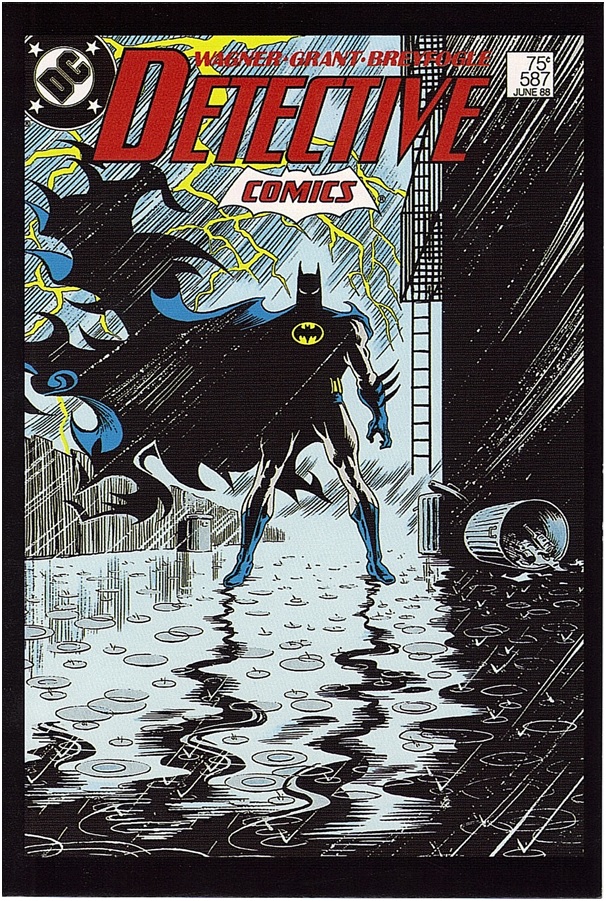
Batman
2013-03-07-ChrisWinterBatmanImage.jpg
Detective Comics, Volume 1 #587: Published June 1988, Cover artist: Norm Breyfogle

Holy night owls! The Caped Crusader is a classic example of an individual with delayed sleep-phase disorder. These nocturnal folks have difficulty winding down in the evening and clearly prefer staying up late. Conversely, they often have extreme trouble waking up in the morning. This can create difficulties at work as tardy arrivals tend to add up. Bruce Wayne clearly has these tendencies, working long hours in his cave or staying out fighting crime. While technically employed at Wayne Enterprises, he seems to have no qualms about sleeping in. With no wife or kids in the house, there really seems to be no set schedule for waking. Unfortunately, his butler Alfred seems all too happy to enable his delayed schedule.
So what if you sleep like Batman? Consider setting a hard-and-fast wakeup time for yourself in the morning. Instead of Bat Cave lighting in the morning, consider investing in a light box to help your brain understand it is morning. Ten minutes of bright light upon awakening will help inhibit secretion of melatonin, a sleep-promoting chemical. This will not only facilitate wakefulness, but also help aid in an earlier bedtime. Remember, no computers or bright lights in bed. They can be stimulating. Finally, if someone is shining a bright light into the sky to get your attention at night, consider room-darkening shades.

Tuesday, March 5, 2013

Poor Sleep and Chronic Disease

Researchers are just beginning to understand how both sleep deprivation and poor sleep quality can not only contribute to poor daytime functioning, but also contribute to chronic disease. Dr. Susarla


Lack of sleep 'switches off' genes

One week of bad sleep can "switch off" hundreds of genes and raise the risk of a host of illnesses including obesity and heart disease, scientists claim.

Getting fewer than six hours' sleep per night deactivates genes which play a key role in the body's constant process of self-repair and replenishment, according to a new study.
Our bodies depend on genes to produce a constant supply of proteins which are used to replace or repair damaged tissue, but after a week of sleep deprivation some of these stopped working.
The findings suggest that chronic lack of sleep could prevent the body from fully replenishing itself and raise the risk of a host of diseases, researchers said.
Scientists from Surrey University divided 26 volunteers into two groups, one of which slept for less than six hours per night for an entire week, and one which slept for ten hours per night.
At the end of the week each group was kept awake for 40 hours and donated blood samples, which were studied to examine the effects of their sleep regimes.
The week of sleep deprivation was found to have altered the function of 711 genes, including some involved in metabolism, inflammation, immunity and stress.
Inadequate sleep also interfered with genes which are designed to become more or less active at certain points in the day, by throwing off the body's 24-hour internal clock.
Although a week's normal sleep was enough to restore the affected genes to their normal pattern, researchers said that prolonged periods of sleeplessness could lead to serious health problems including obesity and heart disease.
Studies have also shown a lack of sleep can lead to cognitive impairment, for example limiting our ability to drive a car safely.
Prof Colin Smith, one of the authors of the new paper, which was published in the Proceedings of the National Academy of Sciencesjournal, said: "This is only a week of sleep restriction and it is only five and a half or six hours a night. Many people have that amount of sleep for weeks, months and maybe even years so we have no idea how much worse it might be.
"If these processes continue to be disrupted, you could see how you are going to get impairment of organs, tissues, heart disease, obesity, diabetes. If you are not able to replenish cells and tissues that are damaged then you are going to suffer permanent ill health."


Thursday, January 10, 2013

Study Supports Notion of Leaving Infants to Cry Themselves Back to Sleep

Here is a little fuel for you new parents suffering with insomnia.  Dr. Susarla


Let Crying Babes Lie: Study Supports Notion of Leaving Infants to Cry Themselves Back to Sleep


Today, mothers of newborns find themselves confronting a common dilemma: Should they let their babies "cry it out" when they wake up at night? Or should they rush to comfort their crying little one?

The study, published inDevelopmental Psychology, supports the idea that a majority of infants are best left to self-soothe and fall back to sleep on their own.In fact, waking up in the middle of the night is the most common concern that parents of infants report to pediatricians. Now, a new study from Temple psychology professor Marsha Weinraub gives parents some scientific facts to help with that decision.
"By six months of age, most babies sleep through the night, awakening their mothers only about once per week. However, not all children follow this pattern of development," said Weinraub, an expert on child development and parent-child relationships.
For the study, Weinraub and her colleagues measured patterns of nighttime sleep awakenings in infants ages six to 36 months. Her findings revealed two groups: sleepers and transitional sleepers.
"If you measure them while they are sleeping, all babies -- like all adults -- move through a sleep cycle every 1 1/2 to 2 hours where they wake up and then return to sleep," said Weinraub. "Some of them do cry and call out when they awaken, and that is called 'not sleeping through the night.'"
For the study, Weinraub's team asked parents of more than 1,200 infants to report on their child's awakenings at 6, 15, 24 and 36 months. They found that by six months of age, 66 percent of babies -- the sleepers -- did not awaken, or awoke just once per week, following a flat trajectory as they grew. But a full 33 percent woke up seven nights per week at six months, dropping to two nights by 15 months and to one night per week by 24 months.
Of the babies that awoke, the majority were boys. These transitional sleepers also tended to score higher on an assessment of difficult temperament which identified traits such as irritability and distractibility. And, these babies were more likely to be breastfed. Mothers of these babies were more likely to be depressed and have greater maternal sensitivity.
The findings suggest a couple of things, said Weinraub. One is that genetic or constitutional factors such as those that might be reflected in difficult temperaments appear implicated in early sleep problems. "Families who are seeing sleep problems persist past 18 months should seek advice," Weinraub said.
Another takeaway is that it is important for babies to learn how to fall asleep on their own. "When mothers tune in to these night time awakenings and/or if a baby is in the habit of falling asleep during breastfeeding, then he or she may not be learning to how to self-soothe, something that is critical for regular sleep," she said.

Sunday, November 4, 2012

Study Finds Premature Babies More Likely to Have Sleep Apnea

This large study from Australia tells us that something about prematurity predisposes babies to develop obstructive sleep apnea.  This condition is caused by obstruction of the upper airway during sleep that can lead to daytime problems with cognition and behavior.  Dr. Sarat Susarla


Study Objectives:

Investigate the relationship between gestational age and weight for gestational age and sleep apnea diagnosis in a cohort of children aged up to 6 years old.

Design:

A cohort study, using record linked population health data.

Setting:

New South Wales, Australia.

Participants:

398,961 children, born between 2000 and 2004, aged 2.5 to 6 years.

Measurements:

The primary outcome was sleep apnea diagnosis in childhood, first diagnosed between 1 and 6 years of age. Children with sleep apnea were identified from hospital records with the ICD-10 code G47.3: sleep apnea, central or obstructive.

Results:

A total of 4,145 (1.0%) children with a first diagnosis of sleep apnea were identified. Mean age at first diagnosis was 44.2 months (SD 13.9). Adenoidectomy, tonsillectomy, or both were common among the children diagnosed with sleep apnea (85.6%). Children born preterm compared to term were significantly more likely to be diagnosed with sleep apnea (< 32 weeks versus term hazard ratio 2.74 [95% CI: 2.16, 3.49]) this remained even after adjustment for known confounding variables. Children born small for gestational age were not at increased risk of sleep apnea compared to children born appropriate for gestational age, hazard ratio 0.95 (95% CI 0.86-1.06).

Conclusions:

This is the largest study investigating preterm birth and sleep apnea diagnosis and suggests that diagnosis of sleep disordered breathing is more prevalent in children born preterm, but not those who are small for gestational age.

Friday, October 5, 2012

Pioneering Doctor's Early Insights on SIDS


Though SIDS is a true condition and is the highest cause of infant mortality, this doctor discovered that many early cases of "crib deaths" were not in fact due to a mysterious disease, but were due to infanticide.  Infant apnea monitors surfaced around this time.  Dr. Susarla


Pathologist, pioneering researcher on SIDS, and mother of 11 children


The photograph shows Dr. Marie Valdés-Dapena performing an autopsy. She is nine months pregnant. She is watching a clock - timing her contractions, determined to complete the job before delivering her own baby.
In that picture, vividly recalled by her daughter Cris, are hints of an extraordinary life to come: a pioneer in the study of sudden infant death syndrome; a leading pediatric pathologist who was among the first to recognize what is now known as child abuse; and a working mother of 11 children in an era when few women worked and far fewer were doctors.
Dr. Valdés-Dapena, 91, who was best known to the public as a pathologist in the biggest maternal infanticide case in recorded history - Marie Noe's murder of eight babies in Kensington - died Sunday at the Rose Tree Place retirement community near Media. She had struggled with advanced dementia for many years, her family said.
"She was warm as toast and never, ever, ever too busy to devote what seemed like all the time in the world to the lowliest, us residents," said Sarah Long, who arrived at St. Christopher's Hospital for Children as a resident in 1970 and who has been chief of infectious diseases for 35 years. "Her owlish glasses would fall down her nose as she was doing an autopsy. She would push them back with a great big smile and tell you something she had just noticed."
In 1944, when Dr. Valdés-Dapena graduated from Temple University School of Medicine, "pathology was the top of the medical profession," said M. Daria Haust, professor emerita at the University of Western Ontario; pathologists found the diseases.
St. Christopher's, at the time Temple's teaching hospital for pediatrics, was an international leader in pathology. But hardly anything was known about postmortems on infants.
Moonlighting at the Philadelphia Medical Examiner's Office, Dr. Valdés-Dapena encountered "crib deaths": babies who went to sleep healthy and were dead in the morning, with no clues to be found during autopsies. She had investigators visit homes, and put pins on a big map to find patterns.
It was one of the earliest scientific examinations of what later became known as sudden infant death syndrome. In the 1960s and '70s, Dr. Valdés-Dapena was a leading researcher and the chief debunker of various SIDS theories, from viruses to milk allergies. Many such deaths are still unexplained, but after recommendations in the 1990s that babies be placed on their backs to sleep, mortality plummeted.

Sunday, September 23, 2012

Using iPads before bed 'can lead to a poor night's sleep'

We all love them.  Unfortunately, these bright LED screens can interfere with our brain's cues that signal sleep onset.  Dr. Susarla


Using iPads before bed 'can lead to a poor night's sleep'

Using tablet computers like Apple’s iPad and Samsung’s Galaxy Note just before bed can lead to a poor night’s sleep, according to research.


More and more people are taking their tablets to bed with them to surf the web, check Facebook or email before switching off the light.
But researchers are warning that the blueish light their screens emit can stop users getting a good night’s sleep.
That is because this type of light mimics daylight, convincing the brain that it is still daytime.
Blue light suppresses production of a brain chemical called melatonin, which helps us fall sleep. This is because our brains have evolved to be wakeful during daylight hours.
By contrast, light which is more orange or red in tone does not suppress melatonin production, perhaps because our brains recognise it as a cue that the day is ending.
However, because mobiles and tablets are by nature portable - not to say addictive - more people are taking them into the bedroom.
Users also tend to hold them much closer to their eyes than a computer or television screen.
Researchers at the Lighting Research Centre, at the Rensselaer Polytechnic Institute in New York, are warning that looking at tablet displays for more than two hours “leads to a suppression of our natural melatonin levels as the devices emit optical radiation at short wavelengths” - in other words, they emit bluer light.
They say: “Although turning off devices at night is the ultimate solution, it is recommended that if these devices are used at night displays are dimmed as much as possible and that the time spent on them before bed should be limited.”
They drew their concludions after measuring melatonin levels in 13 volunteers, after they had spent time viewing iPads at full brightness at a distance of 10 inches, for two hours.
Melatonin levels were significantly lower after they had done this, than they were after the volunteers had viewed their iPads for the same time, but while wearing orange glass goggles, which cut out the blue light.
They wrote in the journal Applied Ergonomics that tablet makers could "tune the spectral power distribution of self-luminous devices" so that they disrupted the sleep patterns of users less.
It is not just a good night’s sleep that could be jeopardised by too much late night screen time.
Researchers know that persistent disruption to sleep patterns can lead to an increased risk of obesity, and even breast cancer.
However, these studies tend to be comparisons of those with chronic sleep disruption, such as long term shift workers, with those who have normal sleep patterns.

Monday, September 10, 2012

Infant Sleep Training is NOT Dangerous


The unspoken concern that we are "emotionally scarring" our children by training them to fall asleep alone appears to be unfounded. Dr. Susarla


Infant sleep training has no long term effects: study


(Reuters Health) - Using behavioral training to help babies fall asleep doesn't seem to harm them emotionally or developmentally years later, but it doesn't benefit them long-term either, according to a new study.
Australian researchers, who published their findings in the journal Pediatrics on Monday, found that of 225 six-year-olds, those who participated in sleep training when they were babies were no different in terms of emotional health from those who did not.
The study is a follow-up to some of the researchers' earlier work - originally published in 2007 - that found babies and their parents benefited when the infants were taught to settle themselves through various behavioral techniques.
Parents and doctors, however, have expressed concern that the techniques could harm the children's emotional development, and thus their later mental health and ability to handle stress. There were also concerns over whether the techniques would impact the children's relationships with their parents.
"We wanted to find out if the benefits were really long lasting and if there were any long term effects," said Anna Price, the study's lead author from The Royal Children's Hospital in Victoria,Australia.
Price and her colleagues turned to the same children and parents they followed for the 2007 study to answer those questions.
In the original study, 326 children who had trouble sleeping were randomly assigned to different groups for their parents to try various sleep-encouraging techniques with the help of nurses.
At the end of the study, researchers found the use of certain methods - such as "controlled comforting" and "camping out" - improved the children's sleep problems and helped mothers with depression.
Controlled comforting is when a parent periodically responds to their child's cries - instead of the frowned upon approach of letting the child "cry it out." Camping out, on the other hand, is when parents slowly ease out of a child's room, which eventually teaches the baby to sleep without a parent there.
For the new study, the researchers were able to follow-up with 225 of the children from the original study. Of those, 122 had gone through the sleep training while the other 103 had not.
Overall, nine percent of the six year olds who went through training were having sleep problems compared to seven percent of those who did not go through training - a difference so small that statistically, it could be due to chance.
The researchers also didn't find any differences when it came to the children's emotions, conduct or stress.
Among parents, the researchers didn't see a difference between those who had tried training their infants and those who did not when it came to rates of depression, anxiety and stress.
Moreover, there didn't seem to be any difference between the two groups in the degree of closeness between children and their parents.
Dr. Umakanth Khatwa, the sleep lab director at Boston Children's Hospital in Massachusetts, called the new study "excellent work."
"I think they looked at this from all sides, and we needed this kind of long term study," Khatwa, who was not involved in the new research, said in an interview.
Price told Reuters Health that the new results show the techniques are safe for children older than six months old. And, regarding possible harm, "the research that's out there answers the questions quite conclusively."

Tuesday, August 14, 2012

Asthma Drug May Help Kids Avoid Sleep Apnea Surgery


This is an interesting article from Web MD about an upcoming paper to be published in the journal Pediatrics.  The "small" and "preliminary" nature of this study should be emphasized.  Also, home sleep testing is mentioned here.  However, this is not an accepted test in children.  Dr. Susarla


Asthma Drug Helps Kids Avoid Sleep Apnea Surgery?

Small Study Suggests Singulair Can Improve Sleep Apnea Symptoms in Some Kids
Aug. 7, 2012 -- A new study suggests that a common asthma drug may be able to help children with sleep apnea avoid surgery.
Children with obstructive sleep apnea may be tired by day, have trouble paying attention in school, and have other behavioral problems because they are not getting enough quality sleep at night.
Surgery to remove the tonsils and adenoids is often recommended, but many parents are reluctant to subject their kids to any type of surgery.
New research in the September 2012 issue of Pediatrics suggests an allergy andasthma drug -- montelukast (Singulair, which just went generic) -- may lessen symptoms in children with non-severe apnea and potentially allow them to skip the surgery.
Sleep apnea is marked by pauses in breathing while asleep. Sleep apnea is often a result of an obstruction in the airway, with severity of children's sleep apnea linked to the size of tonsils and adenoids. These pauses can occur throughout the night and disrupt sleep.

Asthma Drug Improves Apnea Symptoms

Forty-six children with non-severe sleep apnea received the asthma drug or aplacebo for 12 weeks. The kids who received the drug showed improvements in tests measuring the degree of their sleep apnea, their sleep-related symptoms, and the size of their adenoids compared to their counterparts who didn't. There were no side effects seen among kids who took the study drug.
Study authors are quick to caution that this study is small and it's preliminary. Bigger studies following more children for longer periods of time are needed before this treatment is offered to any kids with sleep apnea.
Michael Rothschild, MD, also urges caution in interpreting the new findings. He is the director of pediatric otolaryngology at Mount Sinai Medical Center in New York City.
It's too early to recommend montelukast for the treatment of sleep apnea in kids. But, "it does make sense," he says. "The drug reduces inflammation in the nose and adenoids."
That said, longer follow-up is needed. "Let's do a big, long-term study in a bigger group of kids and follow them for six months or one year."
Until then, if you think your child has sleep apnea, the first step is to confirm this suspicion. "With kids, the risk is not stopping breathing, but more that it is disturbing their sleep," he says.
Sleep apnea in children may be measured in several ways. These include:
  • The gold standard sleep study conducted overnight in a lab
  • A home sleep study where children are hooked up to a monitor while they sleep
  • Videotaping of the child in the throes of what parents believe to be an apnea episode

Drug May Be Band-Aid, Not Cure

Parents also need to know that while no one wants their children to undergo surgery, removal of tonsils and adenoids is safe. "Parents often say 'anything but surgery,' and 99.9% of the time, they are terrified of anesthesia," Rothschild says.
Yosef Krespi, MD, is the director of the Center for Sleep Disorders at the New York Head & Neck Institute of Lenox Hill Hospital in New York City.
He says the allergy and asthma drug may be more of a Band-Aid, but is likely not a cure for sleep apnea in kids. "The follow-up is too short and the number of cases is too limited," he says.
There are often several factors that cause sleep apnea, and this only addresses one of them, he says.

Wednesday, June 13, 2012

CPAP for Sleep Apnea Reverses Neurobehavioral Problems in Children

Thanks to Dr. Susarla for posting this article! Dr. Rotenberg

Sleep apnea in children results in problems in the way kids function during the day.  For children that need it, this study confirms that CPAP use can REVERSE issues of daytime sleepiness, behavioral problems, and attention deficits.  A CPAP desensitization service that addresses the difficulties of getting started can make the process easier.  Dr. S 


Effects of Positive Airway Pressure Therapy on Neurobehavioral Outcomes in Children with Obstructive Sleep Apnea

Abstract (summary)


Rationale: Positive airway pressure therapy is frequently used to treat obstructive sleep apnea in children. However, it is not known whether positive airway pressure therapy results in improvements in the neurobehavioral abnormalities associated with childhood sleep apnea. Objectives: We hypothesized that positive airway pressure therapy would be associated with improvements in attention, sleepiness, behavior, and quality of life, and that changes would be associated with therapy adherence. Methods: Neurobehavioral assessments were performed at baseline and after 3 months of positive airway pressure therapy in a heterogeneous group of 52 children and adolescents. Measurements and Main Results: Adherence varied widely (mean use, 170 ± 145 [SD] minutes per night). Positive airway pressure therapy was associated with significant improvements in attention deficits (P < 0.001); sleepiness on the Epworth Sleepiness Scale (P < 0.001); behavior (P < 0.001); and caregiver- (P = 0.005) and child- (P < 0.001) reported quality of life. There was a significant correlation between the decrease in Epworth Sleepiness Scale at 3 months and adherence (r = 0.411; P = 0.006), but not between other behavioral outcomes and adherence. Behavioral factors also improved in the subset of children with developmental delays. Conclusions: These results indicate that, despite suboptimal adherence use, there was significant improvement in neurobehavioral function in children after 3 months of positive airway pressure therapy, even in developmentally delayed children. The implications for improved family, social, and school function are substantial. Clinical trial registered with www.clinicaltrials.gov (NCT 00458406).

Saturday, May 19, 2012

Study Claims Asthma Could be Factor for Excessive Daytime Sleepiness


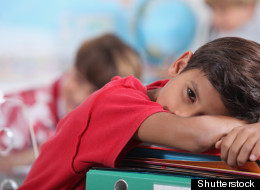
If your child is having trouble focusing while doing schoolwork, you might need to take a look at his or her sleep habits, a new study suggests.

New research published in the journalSLEEPshows that excessive daytime sleepiness (or EDS) is linked with an increased risk of trouble paying attention at school, being hyperactive, difficulty learning and conduct problems.

"When children are referred for neurobehavioral problems, they should be assessed for potential risk factors for EDS," study researcher Susan Calhoun, Ph.D., of Penn State University, said in a statement. "Recognizing and treating EDS can offer new strategies to address some of the most common neurobehavioral challenges in young school-age children."

The study included 508 children who were part of the Penn State Child Cohort. The researchers conducted sleep testing on them and had the parents report whether their children had any excessive daytime sleepiness. Then, they divided the children up into two groups: One that had the excessive daytime sleepiness, and one that didn't.

The researchers found that excessive daytime sleepiness was linked with "neurobehavioral (learning, attention/hyperactivity, conduct) problems and poorer performance in processing speed and working memory," researchers wrote in the study.

Rather, researchers found that factors like depression or anxiety, inattention, obesity, asthma and trouble falling asleep were linked with excessive daytime sleepiness in the kids (even those who "got enough sleep" during the sleep testing, and didn't have sleep apnea).

Excessive daytime sleepiness can be caused by a number of factors, including not getting enough sleep at night, sleep apnea, medications, and other mental conditions or sleep disorders, according to a 2009 article in the journal American Family Physician.

Recently, a New York Times article also examined the link between sleep and attention problems at school. That article looked specifically at how some cases of attention deficit hyperactivity disorder (ADHD) might actually be a sign of sleep apnea, which leads to sleep deprivation and, then, problems with focusing and attention.

The New York Times reported on a recent Pediatrics journal article, showing that kids with sleep problems -- such as sleep apnea or snoring -- have a 40 to 100 percentincreased risk of ADHD-like behavioral problems.

Read more here