Houston Area Pediatric Specialists

Independent pediatric specialists aim to serve our community. We want to share news and analysis regarding our specialties and our practices.


Showing posts with label asthma. Show all posts

Thursday, April 13, 2017

OMEGA-3 FATTY ACIDS REDUCE INFLAMMATION IN PATIENTS WITH ASTHMA

Natural asthma therapies? Inflammation is the  cause  for most asthma sufferers. Dr. Susarla


A recent study found that high quality omega-3 fatty acids (17-HDHA) may decrease the inflammatory immune system response related to allergic asthma, and might be an effective alternative to corticosteroids for patients with mild asthma.
“While corticosteroids can be effective at suppressing chronic inflammation, systemic or [oral corticosteroids] also have deleterious side effects, including weight gain, osteoporosis, and growth retardation in children,” the researchers wrote.
Specialized proresolving mediators, such as omega-3 fatty acids, have been shown in animal models to reduce inflammation in chronic inflammatory diseases.
To investigate their effects in patients with asthma, researchers collected blood samples from 17 patients with asthma taking inhaled corticosteroids, with β2-agonists as needed; 3 of the 17 participants were taking high dosages of oral corticosteroids. Blood samples from healthy donors were also collected.
Researchers isolated peripheral blood B cells and treated them with either 17-HDHA or resolvin D1 (RvD1) using cells from at least 3 participants to test that effects of omega-3 fatty acids on immunoglobulin E (IgE) production in B cells. In one experiment, researchers tested the effects of corticosteroids on the ability of 17-HDHA to reduce inflammation.
Their findings showed that 17-HDHA and RvD1 reduced the level of IgE antibodies in blood samples, indicating a reduction in the antibodies that cause allergic reactions and asthma symptoms.
However, the results were not found in samples from participants on high doses of oral corticosteroids as researchers discovered that the steroids blocked the beneficial effects of omega-3 fatty acids in participants with severe asthma. 
“Our results suggest that [specialized proresolving mediators] are important potential therapeutics for most patients with allergic asthma. Further, our results highlight that immunosuppressive therapies like [oral corticosteroids] also suppress endogenous resolution pathways and suggest one method by which [oral corticosteroids] may actually exacerbate allergic diseases,” the researchers concluded.

Monday, April 10, 2017

Most Kids Who Died of Flu Weren’t Vaccinated, Study Finds


Notwithstanding the seasons where flu efficacy is poor, this is still a good default argument for treating at-risk kids. Dr. Susarla

Most children who have died of flu in recent years were not vaccinated against the virus, Centers for Disease Control and Prevention researchers reported Monday. 
They found that at least three-quarters of kids who died from influenza between 2010 and 2014 had not been vaccinated in the months before they got sick.
And while kids with asthma, developmental disorders and other conditions are at especially high risk, fully half the kids who died were considered healthy before they became infected, the researchers found.
Article linked here.

Saturday, February 22, 2014

Study: Preemies are at a higher risk of asthma

A study shows that babies born prematurely are more likely to develop asthma, although the reason why this is so is not completely understood.

The World Health Organization estimates that 15 million babies are born premature every year, which means they are born before 37 weeks. But new research suggests that risks are higher than previously thought for preterm babies to develop childhood asthma, compared with their full-term counterparts.
Publishing their results in the journal PLoS Medicine, the researchers studied data on more than 1.5 million children around the world.
They used information on patients born since the 1990s from 30 studies, which came from six continents. The majority of the studies came from Europe.
Preterm babies often encounter breathing problems because their lungs are immature, the authors note. They drew from previous research on preterm children born between the 1960s and 1980s, which showed that many of them developed asthma.
However, the researchers say it was unclear whether improved care for preterm babies since then has affected the long-term risk of developing asthma.
Asthma is the most common chronic disease in children, and the team notes that because an increasing number of preterm babies survive birth, the condition is becoming a "significant health problem."

Preterm babies 50% more likely to develop asthma

Overall, the study revealed that while asthma affects 8% of children born at full term, it affects 14% of preterm babies.
In detail, the team found that babies born before 37 weeks were 50% more likely to develop asthma, and those born 2 months early were three times as likely to develop asthma, compared with full-term babies.
Additionally, risks of developing the breathing condition were the same for preschoolers and school-age children, which suggests children who are born early do not outgrow the risk.
"Doctors and parents need to be aware of the increased risks of asthma in premature babies, in order to make early diagnosis and intervention possible," says Dr. Jasper Been, lead study author from the University of Edinburgh's Centre for Population Health Sciences in Scotland.
Dr. Been adds:
"By changing the way we monitor and treat children born preterm, we hope to decrease the future risks of serious breathing problems, including asthma. Our findings should help find better ways to prevent and treat asthma and asthma-like symptoms in those born preterm."

Standard asthma meds 'safe in pregnancy'

The authors say the results of their study provide "compelling evidence" that preterm birth increases asthma risks, and they note that future research "needs to focus on understanding underlying mechanisms, and then to translate these insights into the development of preventive interventions."
But Dr. Samantha Walker, executive director of research and policy at Asthma UK, emphasizes the importance of current asthma medications:
"Standard asthma medicine is very safe to use in pregnancy, and by far the most important way to reduce this risk is for pregnant women to take their medication as prescribed."
She adds that maintaining a healthy weight, staying active, avoiding stress and not smoking are also important measures to keep in mind.
When asked about any further research the team has planned, Dr. Been told Medical News Today:
"An important factor that causes both preterm birth and asthma, particularly in those born preterm, is tobacco smoke exposure before birth. Our current research focuses on evaluating interventions to address this issue."
In other asthma news, a study recently suggested that secondhand smoke is linked to hospital readmission for asthmatic children. The authors of that study believe their findings could prompt insurance companies to give incentives to parents or guardians who quit smoking.
Read more here

Monday, February 3, 2014

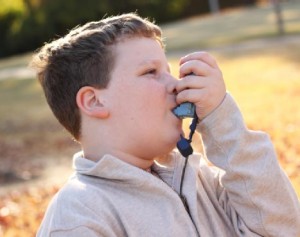
Obese children more susceptible to asthma

A study claims that obese children are more susceptible to asthma that is caused by air pollution.

Obese children exposed to high levels of air pollutants were nearly three times as likely to have asthma, compared with non-obese children and lower levels of pollution exposure, report researchers at Columbia University Medical Center (CUMC), including Columbia's Mailman School of Public Health.
Rates of childhood obesity and asthma have both increased dramatically in the past 30 years. The percentage of American children who are obese has increased from 7% in 1980 to 20% in 2008. Childhood asthma is up from 4% in 1980 to 10% in 2009. Rates are higher among urban minority populations.
The researchers followed 311 children in predominantly Dominican and African-American neighborhoods of New York City. They monitored indoor air in each child’s home for two weeks at age 5 or 6, to measure exposure to a family of air pollutants, polycyclic aromatic hydrocarbons (PAH). The child’s height and weight were measured and respiratory questionnaires were administered. In all, 20% were found to have asthma and 20% were categorized as obese based on body mass index.
The researchers found that high PAH exposure was associated with asthma only among obese children. In particular, the association was with the alkylated forms of PAH, which are emitted by vehicles and by cigarette smoke, cooking, incense, burning candles, and various other indoor sources. A two- to three-fold increase in asthma risk was seen among obese children exposed to high levels of the PAH chemicals 1-methylphenanthrene and 9-methylphenanthrene. Exposure to PAH or obesity alone did not predict asthma.
“Our results suggest that obesity may magnify the effects of these air pollutants, putting children at greater risk for having asthma,” says lead author Kyung Hwa Jung, PhD, associate research scientist in the Department of Medicine at Columbia University College of Physicians and Surgeons (P&S).
The mechanism behind the association is not well understood. One possible explanation is that sedentary lifestyle in obese children could result in more time spent indoors, thereby increasing exposure to indoor PAH. Another may have to do with more rapid breathing in those who are obese.
Better understanding of the risk factors opens the door to more targeted interventions. “These findings suggest that we may be able to bring down childhood asthma rates by curbing indoor, as well as outdoor, air pollution and by implementing age-appropriate diet and exercise programs,” says senior author Rachel Miller, MD, Professor of Medicine (in Pediatrics) and Environmental Health Sciences, chief of Pediatric Allergy and Immunology at CUMC, and co-deputy director of the Columbia Center for Children’s Environmental Health at the Mailman School of Public Health.
The study builds on earlier research findings that linked increased asthma risk with exposure to higher levels of air pollution. Drs. Jung and Miller previously had shown an association between repeated high prenatal and childhood PAH exposure and asthma. A number of studies also have found an association between obesity and asthma.
Support for the study was provided by the National Institute of Health grants R01ES013163, P50ES015905, P01ES09600, R01ES08977, and P30ES09089; Environmental Protection Agency grants R827027, RD832141, and RD834509; the Educational Foundation of America; the John and Wendy Neu Family Foundation; the New York Community Trust; and the Trustees of the Blanchette Hooker Rockefeller Fund.
Matthew Perzanowski, Andrew Rundle, Kathleen Moors, Beizhan Yan, Steven N. Chillrud, Robin Whyatt, David Camann, and Frederica P. Perera also contributed to the study. None of the authors has financial relationships with a commercial entity that has an interest in the subject of this manuscript.
Full results are published in the journal Environmental Research.
Read more here

Asthma may be caused by common colds during pregnancy

A study found an association between pregnant women who had the common cold and their children developing asthma.

Women that are pregnant may want to take extra precaution around those that are sniffling and sneezing this winter. According to a new study published today, the more common colds and viral infections a woman has during pregnancy, the higher the risk her baby will have asthma.


The study, published in the February issue ofAnnals of Allergy, Asthma and Immunology, found a mother's infections and bacterial exposure during pregnancy affect the in utero environment, thus increasing a baby's risk of developing  and  in childhood.
"In addition, these same children that had early exposure to allergens, such as house dust and pet dander, had increased odds of becoming sensitized by age five," said allergist Mitch Grayson, MD, Annals deputy editor and fellow of the American College of Allergy, Asthma and Immunology (ACAAI). "When dust mites from the mother and child's mattresses were examined, children with high dust mite exposure yet low bacteria exposure were more likely to be allergic to  than those with low mite exposure and high bacteria contact."
Researchers studied 513 pregnant women in Germany, and their 526 children. Questionnaires were completed during pregnancy, when the children were three and 12 months old, and every year up to five-years-old. Of the families, 61 percent had a parent with asthma, hay fever or atopic dermatitis.
According to the ACAAI, asthma and allergy can be hereditary. If both of a child's parents have allergies, the child has a 75 percent chance of being allergic. If one of the parents is allergic, or if a close relative has allergies, the child has a 30 to 40 percent chance of having some form of allergy. If neither parent has allergy, the chance is only 10 to 15 percent.
"We know that allergy and asthma can develop in the womb since genetics play a factor in both diseases," said allergist Michael Foggs, MD, ACAAI president. "But this study sheds light about how a mother's environment during pregnancy can begin affecting the child before birth."
Asthma is the most common potentially serious medical condition to complicate pregnancy, according to the ACAAI. In fact, asthma affects approximately 8 percent of women in their childbearing years. When women with asthma become pregnant, one-third of the patients improve, one-third worsen and one-third remain unchanged.
Women who are or plan on becoming pregnant should continue speaking with their board-certified allergist about treatment options and how to eliminate symptom triggers. More information and a video about allergy and asthma during , visit http://www.acaai.org/pregnancy.
Read more here

Wednesday, July 31, 2013

Dealing with a new asthma diagnosis


A move to the gulf coast followed by new respiratory symptoms is a common theme in my practice.  Getting proactive by consulting a pediatric pulmonologist can make coping with a new asthma diagnosis a lot easier.  Dr. Susarla

Asthma arrives with move to Florida

My son did not win a perfect attendance award at school last year.
Instead, he set a personal record for the most days spent at the pediatrician's office.
Since moving from Colorado to Florida six months ago, my 7-year-old son, Ryan, developed asthma. He did not have allergies or any respiratory problems before we moved, but once we got to Florida, everything changed.
I noticed that he was constantly sneezing and sniffling, and his eyes were red and itchy, especially after being outside. These symptoms were manageable with the help of an over-the-counter antihistamine, but it was the cough that was troublesome.
Every few weeks, Ryan would start coughing and it would get so bad that and we'd end up at the pediatrician's office. At first, the doctor prescribed an oral steroid to alleviate the symptoms. This worked, but eventually the cough came back. After several more trips to the pediatrician's office due to severe coughing and wheezing, she determined that Ryan had asthma, or a reactive airway.
Ryan's body was reacting to something it perceived as harmful, and the airways of his lungs became inflamed and constricted. Since Ryan grew up in Colorado, he had never been exposed to certain allergy triggers that are common in Florida.
Working with Ryan's doctor, we came up with an asthma plan. He now has two prescribed inhalers to help control his asthma. He uses one inhaler on a daily basis to prevent asthma symptoms, and another he uses before playing sports to help his breathing. The doctor also had Ryan allergy tested so we could discover what his allergic triggers were. It turns out that he is highly allergic to mold, oak, and certain grasses, all things which are not common in Colorado.
In doing research, I found one website that was particularly helpful and has a lot of great information, asthma.com. It has a "For Parents" tab that discusses triggers and how to minimize exposure, and even a guideline for when your child should stay home from school due to symptoms.
Since Ryan is 7, he's old enough to understand and learn about his condition, so I found two websites that have informative and interactive games for him to play. Ryan likes watching Arthur, and pbskids.org has the Buster Baxter, Lung Defender game. There is also lungtropolis.com, which has a game for kids and a separate, informative section for parents.
Finding out that your child has asthma can be scary, but working with your doctor and arming yourself with information can help ease that anxiety. My goal is that Ryan won't have to miss any school because of his asthma, and he can win a perfect attendance award this year.

Read article here.

Wednesday, May 22, 2013

Asthma Tied to Sleep Apnea

Both asthma and obstructive sleep apnea are diseases of inflammation, though affecting different aspects of breathing.  These data presented at the American Thoracic Society suggest not only reinforce this association, but also identify CHILDHOOD ASTHMA as a major predictor of obstructive sleep apnea. Dr Susarla

Asthma Tied to Sleep Apnea

PHILADELPHIA -- Patients with asthma were also more likely to develop obstructive sleep apnea, researchers reported here.
Participants in the Wisconsin Sleep Cohort who self-identified as having asthma at the start of the research in 1988 had a 41% incident obstructive sleep apnea rate, compared with an obstructive sleep apnea incident rate of 29% among participants who did not report asthma at the beginning of the study (P<0.001), said Mihaela Teodorescu, MD, of the University of Wisconsin in Madison.
Of the 205 individuals who reported a history of asthma, 84 developed obstructive sleep apnea during the 8-year interval sleep studies, she reported at the annual meeting of the American Thoracic Society.
Of the 1,278 individuals who entered the study without a self-report of asthma, 369 had developed incident obstructive sleep apnea after 8 years.
"There has been a body of evidence published suggesting that there is a relationship between obstructive sleep apnea and asthma," Teodorescu told MedPage Today. "Each disorder makes the other worse, so understanding what starts this vicious cycle is very important. We asked the question of whether asthma promotes the development of obstructive sleep apnea."
"In this cohort we found that having asthma at baseline predicted an increased incidence of obstructive sleep apnea 8 years later," she said. "Overall, having any asthma at baseline predicted about a 72% higher likelihood of developing obstructive sleep apnea 8 years later."
"Interestingly, when stratifying by the age of diagnosis, childhood onset of asthma was a higher predictor for development of obstructive sleep apnea, with an odds ratio of about 2.1," she said in a press briefing following her poster presentation.
"For each 5 years increment in duration of asthma, the likelihood of developing obstructive sleep apnea increased by 12%," she said.
Susheel Patil, MD, of Johns Hopkins University, who moderated the press briefing, said, "Over the years obstructive sleep apnea has been found not to just be associated with excessive daytime sleepiness but has been associated with other diseases such as cardiovascular outcomes, diabetes and metabolic syndromes."
"I think that the relationship between asthma and obstructive sleep apnea may, indeed, be bidirectional as exhibited in this new study," he told MedPage Today.
Teodorescu explained that in the prospective Wisconsin Sleep Cohort participants are studied every 4 years with laboratory polysomnography, validated questionnaires, and structured interviews.
"We selected people in the cohort who were free of obstructive sleep apnea at baseline," she said. "We stratified them based on their asthma diagnosis which was self-reported and they also self-reported the duration of asthma. We didn't see any differences in obstructive sleep apnea severity when we looked at stratification of asthmatics versus no asthma, but the sample sizes became quite small when we tried to separate these groups."
"Overall we conclude that these prospective data suggest that asthma, particularly of childhood onset may contribute to the development of obstructive sleep apnea later on in life. Childhood asthma onset seems to be more of a risk factor for this disease," she said.
The research into teasing out how the diseases impact each other will require further study, she said. "How intrinsic disease characteristics or associated features starting early in life affect upper airway patency during sleep remains unknown," she said.

Monday, February 18, 2013

Asthma or Pneumonia?


Perhaps an association between both, according to a recent study investigating the role of a bacteria commonly associated with "walking pneumonia" in children. Dr. Susarla

M. pneumoniae IgM higher in children with asthma

Mycoplasma pneumoniae may play a key role in pediatric asthma, according to study data published online.

 Tamar A. Smith-Norowitz, PhD
, of the department of pediatrics and the Center for Allergy and Asthma Research at SUNY Downstate Medical Center, Brooklyn, N.Y., and colleagues published data on specific anti-M. pneumoniae immunoglobulin M, IgG and IgE antibody responses in 23 patients with asthma and 13 control patients.
All patients were aged younger than 20 years, had a physician’s diagnosis of asthma or current clinically defined persistent asthma symptoms, or both, along with allergic rhinoconjunctivitis with elevated serum IgE levels (>100 IU/mL). Patients were recruited from the Pediatric Asthma Clinic at Kings County Hospital Center, and outpatient pediatric offices in Brooklyn.
The researchers said, “Asthmatic subjects had higher levels of specific IgM [anti-M. pneumoniae antibodies] levels compared with non-asthmatics. In addition, IgM positivity was significantly higher in asthmatic compared with non-asthmatic subjects.”
M. pneumoniae may be more common or persistent in children with asthma than other populations, they said. However, further data are needed because the sample size of this study was small.
“Atypical respiratory infection such as M. pneumoniae continues to be a significant concern in children with asthma. More research is needed to identify high risk groups and develop intervention strategies directed at children with asthma,” Smith-Norowitz told Infectious Diseases in Children.
Although the researchers assessed respiratory tract infection incidence, they said it was only assessed by patient recall, which could have limited the results.

Wednesday, September 5, 2012

iSonea's AsthmaSense Smartphone App Now Free


Here's a chance to check out this free app if you or your child has asthma.  It's quite handy for those that follow a schedule, and hard to beat at this price.  Dr. Susarla
Most intelligent asthma app available to everyone through September as allergy and back-to-school season nears
With AsthmaSense, parents and children have the most intelligent asthma management app at their fingertips. Unlike most health apps which act as passive journals, AsthmaSense v.1.0.1 analyzes user symptoms, medication usage and lung function measurements against the National Institute of Health (NIH) asthma guidelines, alerting the user if it senses that their asthma is not well controlled.
With AsthmaSense, users can input their medication, symptoms and peak flow results, and set alerts for medication and lung function testing. In addition to using this information to determine the status of a user's asthma, the AsthmaSense app stores this data, giving the user and their doctor a better picture of their lung health.
"Autumn is a tough time for asthmatics, especially children. By offering AsthmaSense for free through September, we are increasing access to the most intelligent, easy-to-use asthma management app on the market during this troublesome season," said Michael Thomas, CEO of iSonea Ltd. "At iSonea, we are committed to helping asthmatics breathe easier and we are continuing to develop tools to help people control this disease."
AsthmaSense is the first of iSonea's family of asthma management apps. Future iSonea apps will incorporate the Company's proprietary Acoustic Respiratory Monitoring (ARM™) technology and diagnostic algorithms. The company is also developing the AsthmaSense Cloud™ for data sharing and enhanced capabilities for detecting asthma risk based on changes in environmental conditions such as air quality and weather.
AsthmaSense is available for free on the Apple App Store (for iPhone and iPad users), Google Play and Amazon App Stores (for Android users).
To see how one mother uses iSonea's technology to keep her son's asthma under control, please follow this link.

Read more here: http://www.heraldonline.com/2012/09/04/4234072/isoneas-asthmasense-smartphone.html#storylink=cpy

Saturday, August 4, 2012

Asthma Common Among Olympic Athletes


Evidence that asthma does not prohibit competitive sports.  Dr. Susarla

Asthma Common Among Olympic Athletes

The Australian researcher suggested the conditions may be linked to the athletes' intense training, particularly those who participate in endurance sports or winter sports. The inhalation of cold air contributes to airway damage.
Airway hyper-responsiveness involves marked narrowing of the airways in response to some kind of outside trigger.
"Inhaling polluted or cold air is considered an important factor which might explain the cause in some sports, but not in all," explained study author Kenneth Fitch, of the University of Western Australia, in a university news release. "The quality of inhaled air could be harmful to the airways, but does not cause the same effect in all sports."
Fitch counted the number of athletes with asthma and airway hyper-responsiveness from the five Olympic games between 2002 and 2010. He identified the athletes by tracking the use of inhaled beta-2 agonists, an anti-asthma drug commonly used by top athletes.
In 2001, the International Olympic Committee recognized the increased use of the drug between 1996 and 2000, and issued a new rule requiring athletes to provide proof of their condition to safeguard the health of Olympic athletes, not as an anti-doping measure, according to the news release.
Fitch noted that athletes with asthma have routinely beaten their opponents. He added, however, there is no proof that treatments for the condition improved their performance. He suggested that training harder than other athletes could help explain why many athletes develop asthma or airway hyper-responsiveness as adults.
The study was published online in the British Journal of Sports Medicine.

Thursday, May 24, 2012

Teenager Denied Asthma Inhaler Nearly Dies at School


This should never happen to your child.  Life threatening asthma attacks do occur and require prompt intervention.  Having a physician-authored asthma action plan can prevent this nightmarish scenario.  SS

Student having asthma attack denied inhaler by school nurse


A senior student at Delton High School near Orlando, Florida nearly died last week after a school nurse refused to give him a doctor-prescribed asthma inhaler, even after he passed out from lack of oxygen.
17-year-old Michael Rudi told Orlando news station Local 6 on Monday that as he lost consciousness in the nurse’s office, she closed the door on him, leaving Rudi wondering if he would even wake up.
The nurse, who was not named, was apparently following school policy, even despite Rudi’s name appearing on a prescription for the inhaler.  Students are not allowed to possess prescription drugs at Delton High School, so a release form signed by parents is required by school officials before medicine can be dispensed — something Rudi’s folks had not done.
Even though the nurse refused to step over the school’s policy and give Rudi his inhaler, she could have called 911. But she didn’t, and now Rudi’s mother wants to press charges for child endangerment.
“I mean its common sense if I saw an animal on the street in distress I would probably stop to help, why wouldn’t she help a child,” Sue Rudi told Local 6 reporter Shaun Chaiyabhat. “How dare you deny my son something that we all take for granted, breath. Why didn’t someone call 911?”
There are currently no over-the-counter medications available for Americans who suffer from asthma or reactive airways. Although U.S. pharmacies used to offer a non-prescription cardiac stimulant inhaler that helped relieve asthma symptoms, regulators pulled it from shelves in February. Other milder drugs that address asthma symptoms are much more costly and require a prescription.

Sunday, May 20, 2012

Exercise may reduce asthma symptoms or attacks


Not only is it safe for people with asthma to exercise, but doing so could reduce their risk of asthma symptoms or attacks, according to a new evidence review in TheCochrane Library.

Many people with asthma report avoiding exercise because they're afraid it could trigger symptoms including shortness of breath, wheezing or a full-blown asthma attack, said review author Kristin V. Carson. These fears might be encouraged from misreading their symptoms, their family's beliefs about exercise and asthma, or even from their physicians.

Over time, Carson explains, patients can become out of shape, losing muscle mass and cardiovascular fitness. That makes any future attempts at physical activity significantly harder, increasing the chances that patients will become fatigued and breathless and further discouraging physical activity.

"This results in a spiraling cycle," she says, in which patients are even more likely to avoid exercise.

To determine whether exercise was a danger to asthmatics, Carson and her colleagues reviewed previous studies that looked at the effects of physical training on people withasthma , comparing patients who received no or minimal physical activity to those who exercised for at least 20 minutes, twice a week, over the course of four weeks.

The researchers found that the patients who had exercised—using physical training as varied as running outdoors or on a treadmill, cycling, swimming or circuit training—were no more likely to have a serious asthma-related problem than those who weren't exercising or who did light exercising such as yoga. Additionally, Carson said, their findings showed that patients in exercise programs improved their cardiovascular fitness, which in turn could reduce asthma symptoms over time. Some limited evidence from the included studies also suggested that exercise improved patients' quality of life, she added, which could contribute to other health benefits and improved psychological well-being.

"We found no reason for people with stable asthma to refrain from regular exercise," Carson said. "Physicians should encourage their patents with stable asthma to engage in physical training programs."

Len Horowitz, M.D., a pulmonary specialist at Lenox Hill Hospital in New York City who wasn't involved in this review, agrees that asthma patients shouldn't shy away from exercise. However, even though research suggests that exercise is safe for asthmatics, he says that many people will still use their asthma as a reason to avoid physical activity. "Not everyone wants to exercise," he said. "When patients think exercise makes them symptomatic or makes them risk an attack, it's a good excuse not to do it."

Horowitz notes that may professional athletes have asthma, which hasn't negatively affected their careers. However, he explains, some patients do have exercise-inducedasthma, in which vigorous or prolonged exercise can trigger symptoms. He advises patients in his practice to take precautions if they're susceptible, including pre-treating themselves with an albuterol inhaler, avoiding exercise that exposes their lungs to cold, dry air (such as running outside in the winter) and building their activity levels gradually.

Read more here

Saturday, May 19, 2012

Asthma one of the Top Reasons Children Miss School


With cold and flu season right around the corner, keeping children healthy is on the top of every parent's mind.

According to 2010 figures from the National Center for Health Statistics, 43% of children ages 5-17 years missed three or more school days in the past year because of illness or injury; 6% missed 11 days or more. An estimated 22 million school days are lost annually because of colds alone.

"There is a correlation between academic success and being in school," says Martha Dewey Bergren, director of research for the National Association of School Nurses. "Seat time affects learning."

Here's a look at some of the ailments that most often keep students out of school, and advice for parents:

Asthma

The chronic lung disease affects an estimated 7 million kids under 18 and accounts for more than 14 million absences annually. Parents should give the school office (plus teachers and coaches) a plan that specifies symptoms, medications and what to do if an asthma episode does not improve with prescribed medicine, says Norman Edelman, the American Lung Association's chief medical officer. Early in the school year, parents should "do an environmental check of the allergens and other irritants that can trigger an attack," he adds.

It's important that "families work together with their schools and health care provider to manage conditions," says Linda Caldart-Olson of the American School Health Association.

Respiratory infections

A group of viruses that cause various upper and lower respiratory infections are quite common in autumn, says Cynthia DiLaura Devore, chair of the American Academy of Pediatrics Council on School Health. These infections, which also can trigger asthma attacks, cause flu-like symptoms (coughs, fever, lack of appetite, vomiting, diarrhea) that can put a child out of commission for five to 10 days, and are contagious, says Devore. She says parents should keep children home until they're fever-free and off symptom-reducing medicines for 24 hours.

Influenza

January to March is the height of flu season, but now is the time for everyone 6 months and older to get the flu vaccine, says pediatric infectious-disease specialist Mary Anne Jackson of the University of Missouri-Kansas City School of Medicine. This year's vaccine is formulated to protect against the same three strains as last year's.

Stomach viruses

A number of viruses can infect the gastrointestinal tract, resulting in gastroenteritis or "stomach flu." Marked by vomiting and diarrhea, it usually lasts only 24 to 72 hours, says Devore. Because the viruses are spread through close contact by sharing food or eating utensils, hand-washing and the use of hand sanitizers are critical.

Head lice

In school districts with "no nit" policies, kids with lice must stay home until any sign of eggs has passed. The American Academy of Pediatrics and the National Association of School Nurses oppose the policies because they have not been shown to effectively reduce the spread, no disease is linked to lice, and in-school transmission is rare, says Devore.

Preventable diseases

Outbreaks in the USA last year of potentially fatal, vaccine-preventable diseases, including pertussis (whooping cough) and measles, highlight the importance of "being vigilant about all immunizations," says Jackson. CDC offers immunization schedulers at cdc.gov/vaccines.

School refusal

Repeated episodes of what Devore calls "Sunday Night Stomach" or chronic absences without a medical excuse should be taken seriously, she says. When kids express anxieties, fears and resistance to school, they may simply need a little extra "reassurance, understanding and limit-setting" or there may be serious mental health concerns. Either way, it shouldn't be lightly dismissed, says Devore.

Read more here