Houston Area Pediatric Specialists

Independent pediatric specialists aim to serve our community. We want to share news and analysis regarding our specialties and our practices.


Monday, February 3, 2014

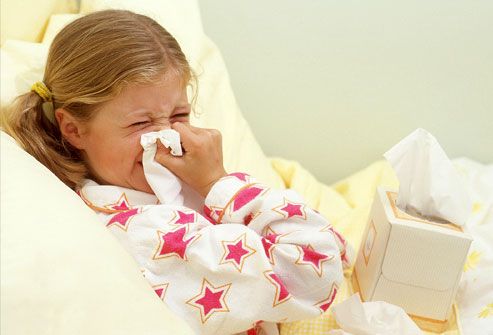
When to be concerned about a child's cough or cold

This article details when parents should become concerned about a child's cough and cold.

Your baby’s cold is lasting 10 days. Your toddler’s earache persists all weekend. Your teenager’s cough lingers for weeks. When should you worry? That is to say, when should you really worry, going a step beyond generalized parental anxiety to actual, galvanizing concern? How long is too long?
paper recently out in the BMJ offers some welcome answers to that eternal question, and we’ve converted them into the simple bar chart. The lead author of the paper, Dr. Matthew Thompson, professor of family medicine at the University of Washington and researcher at Oxford, says he’d be happy to see it posted on many a fridge.
With one important proviso, however: Just because the duration of a child’s illness is within the expected range, that’s no reason to ignore other causes for concern. “If you’re still worried, if your child is getting sicker and sicker, and there’s something else going wrong — they’re not feeding well, having difficulty breathing, extremely high fever — you do need to take those things seriously,” Dr. Thompson said. “As parents, as doctors, we’re not just interested in duration of illness, we’re also interested in how severe the symptoms are.”
The biggest message is that people worry too soon.
Point taken. But now let’s talk about the millions of other cases in which parents bring their winter-virus-ridden children in to see the doctor purely because it seems like the sickness is dragging on for longer than it should. Having all these duration numbers in one place could help save some of that time, effort, and most of all, anxiety, Dr. Thompson says.
“When parents come in with their child to see a pediatrician or a family doctor, they’ve got two questions when their child has a cough or a cold or that kind of illness,” he said. “Number one is, how long is it going to last, doctor? And the second is, is there anything that is going to make it better? We really wanted to get more accurate information for that first question: how long will it last?”
Dr. Ben Kruskal, chief of infectious disease at Harvard Vanguard Medical Associates, notes that lowering parental anxiety could also help cut down the overuse of antibiotics, an important goal in this time of rising germ resistance.
“The biggest message is that people worry too soon,” he said, “and when people come into the office, they’re more likely to get treated with antibiotics that are almost invariably unnecessary in this setting. It’s not that there aren’t some genuine reasons to use antibiotics, but if you get 100 unnecessary visits, a few of them are going to generate unnecessary antibiotics. If you get 200 unnecessary visits, you’re going to get twice as many unnecessary antibiotics.”
The persistent cough is the source of the greatest gap between viral reality and parental expectations, both Dr. Kruskal and Dr. Thompson said.
“We found that cough lasts for 25 days in 90 percent of children, which is much, much longer than most parents would estimate,” Dr. Thompson said. “So it’s very, very common for us to see children being brought in for a cough that’s gone on for a week, or two weeks, but it’s not actually unexpected to see coughing symptoms going on for three weeks. It doesn’t mean the child’s got pneumonia, it doesn’t mean they’ve got asthma, it doesn’t mean there’s anything particularly wrong. It just takes a while for cough symptoms to get better.”
The paper’s finding on earache duration for nine out of 10 children — up to eight days — is also particularly worth highlighting, he said, because it is longer than previous CDC estimates and most parents’ expectations.
Do we really need this antibiotic or could we wait a few days?
Earaches generate a great deal of antibiotic use in children, and “clearly, there are some situations where ear infections do need an antibiotic,” Dr. Kruskal said. But “the take-home for parents might be, number one, don’t push for an antibiotic, and in fact, if a pediatrician is writing a prescription, ask, ‘Do we really need this or could we wait a few days?’”
The CDC and other health authorities offer “average duration” for many illnesses, but they can be confusing. From the BMJ paper:
For example, the 2008 National Institute for Health and Care Excellence guidelines for treatment of respiratory tract infections include estimates of average duration of the illness (before and after seeing a doctor) of four days for acute otitis media, one week for acute sore throat, one and a half weeks for the common cold, and three weeks for acute cough or bronchitis.8 By contrast, information for patients from the US Centers for Disease Control and Prevention describe sore throat as lasting one to two weeks, common cold lasting up to two weeks, and cough duration ranging from two to eight weeks.9 The durations quoted in these sources reflect findings based on expert opinion or from individual studies rather than from data synthesis of multiple studies and are not child specific.
The BMJ paper undertook a full-fledged, systematic review of existing scientific literature to determine how long respiratory-tract ailments last when untreated or treated only with symptom-relievers — over-the-counter medicines which temporarily make kids feel better but don’t affect the course of the illness.
The United-Kingdom-based research team combed through more than 10,000 papers and found about 50 papers that gave them information on about 2,500 children, Dr. Thompson said.
“This is the first time that we’ve been able to bring together all the studies which have looked at different kinds of respiratory infections in children,” he said, “so that we can present, all in one place, the expected length of illness for cough, cold, sore throat, ear infection and croup.”
The numbers should be disseminated widely among both clinical staff and the general public, said Dr. Kruskal, who was not involved with the paper.
But what about the frightening possibility that they might keep some parents from calling the doctor when they should?
“People are worried enough,” he said, “that even if we down-modulate things a bit, they’re still going to be more worried than they need to be.”
Read more here

No technology helps kids get healthy sleep

This article explains why having no technology in a child's bedroom is pivotal to ensure the child gets healthy and quality sleep.

Here's the scenario: A child is glued to his Xbox, or maybe his iPhone or iPad and won't go to bed. Frustrated, mom or dad gives up the fight and walks away, letting the kid play just a little longer -- even though it's a school night.

But an expert on children's sleep says parents need to buck-up.

Dr. Daniel Lewin, associate director of Pediatric Sleep Medicine at Children's Medical Center, says he too has a child who wants to be on the computer constantly.

"It's simply modeling and limit setting, which is critical," Lewin says.

It comes down to parents limiting their own exposure to electronics, especially while in front of children. This helps show the behavior they'd like their kids to mimic.

Lewin says in a culture with constant access to electronic media, there's a lot of pressure to perform.

But "those kids who are on media devices to do their homework and when that's done right before bedtime they're impacting their sleep," says Lewin.

When it comes to kids, Lewin recommends making sure the electronics are off at least an hour before bedtime. That's because the light actually shuts down the biological process that initiates sleep.

"Sleeping with a dim light in the bedroom is fine. But sleeping with electronics on in the bedroom is really not optimal," Lewin says.

For children who take ADHD medication, Lewin says it's extra important to make sure he or she is getting a good night's sleep.

"Getting enough sleep at night is critical for attention, for regulation of emotion," says Lewin. He says it's really important to be able to recognize the signs of sleep disorder and to recognize the signs of inadequate sleep.

"We have a lot of kids who are on ADHD medications. We could start by optimizing sleep before putting kids on medications. Some certainly need it," Lewin says.

There's also a relationship between sleep deprivation and mood, including suicidal thoughts. Chronic sleep deprivation can lead to high blood pressure, strokes and Type 2 diabetes.

Children around the ages of 12 and 13 should get 9.5 to 10 hours of sleep. Older children and adolescents should get about 9.5 hours of sleep.

And, Lewin adds, "The American Academy of Pediatrics has been very clear: no TVs in the bedroom and no electronics in the bedroom absolutely critical."

Read more here

Heart defects in children linked to environmental toxin exposure during pregnancy

A study shows that environmental toxin exposure during pregnancy is linked with heart defects in children.

Congenital heart defects in children may be associated with a mother's exposure to specific mixtures of environmental toxins during pregnancy, according to research recently presented at the Scientific Sessions conference sponsored by the American Heart Association.

Congenital heart defects occur when the heart or blood vessels near the heart fail to develop normally before birth. Defects may be caused by chromosomal abnormalities, but the cause is unknown in most cases, according to the research.

Researchers examined patterns of congenital heart defects incidence and presence of environmental toxins in Alberta, Canada. The ongoing research seeks to determine if pregnant women’s proximity to organic compounds and metals emitted in the air impacts the risk of heart defects in their children.

“Although still in the early stage, this research suggests some chemical emissions -- particularly, industrial air emissions -- may be linked to heart abnormalities that develop while the heart is forming in the womb,” said lead researcher Dr. Deliwe P. Ngwezi, a student and research fellow in pediatric cardiology at the University of Alberta in Canada.

The study is based on congenital heart defects diagnosed in 2004 through 2011 and chemical emissions recorded by a Canadian agency tracking pollutants.

Researchers looked at three chemical categories, but only one group showed a strong correlation with rates of congenital heart defects.

Ngwezi said the group of chemicals consists of a mixture of organic compounds and metals namely: benzene, butadiene, carbon disulphide, chloroform, ethylene oxide, hexachlorobenzene, tetrachloroethane, methanol, sulphur dioxide, toluene, lead, mercury and cadmium.

Congenital heart defect rates have gradually decreased in Canada since 2006, which is about the time the government tightened regulations to reduce industrial air emissions, Ngwezi said.

The heart defect decreases were mainly associated with heart defects resulting in holes between the upper and lower heart chambers and malformations of the cardiac outflow tracts Ngwezi said.

“For now, consumers and health care providers should be educated about the potential toll of pollutants on the developing heart,” she said. “As we have observed in the preliminary results, when the emissions decrease, the rates of congenital heart defects also decrease.”

This study, she said, should draw attention to the increasing evidence about the impact of environmental pollution on birth defects.

Limitations of the study include that observations were made at a group level, not according to individual risk and the self-reported industry data that is monitored and collected annually by the government, Ngwezi said.

Read more here

Whooping cough in children is spreading over California and Nevada

Recently, outbreaks of whooping cough in children have been seen recently in California and Nevada.

California has seen a sharp increase in cases of whooping cough, a highly contagious respiratory disease once thought to be nearly eradicated.

State data shows the number of reported cases of whooping cough, also known as pertussis, rose from 1,023 in 2012 to 1,669 last year. About 83 percent of the cases were in children ages 7 to 16, theSacramento Bee reported recently. Ninety-nine patients went to the hospital, but no deaths were reported.

California health officials say one reason for the increase is declining immunity among children who were vaccinated years earlier but haven’t gotten the booster shot recommended at ages 11 or 12. Other factors include the disease’s cyclical nature and more parents opting out of immunizations for their children.

Nevada County saw the sharpest increase in cases per 100,000 residents, from five in 2012 to 70 cases last year. Marin County ranked second, with 173 cases in 2013.

“Evidence shows that pertussis outbreaks are more likely in communities with clusters of unvaccinated people,” said Dr. Ken Cutler, Nevada County’s health officer. “It is also clear that people who are unvaccinated are more likely than those who are vaccinated to get pertussis and to have more severe symptoms.”

Caused by a bacterium, whooping cough causes violent coughing that makes it hard to catch one’s breath. Coughing spells can last for 10 weeks. It typically affects babies and young children and can be fatal for infants younger than 1 year old.

“Babies who are really young do not have the protection they need against the disease,” said Olivia Kasirye, Sacramento County’s public health officer. “They depend on the community for the protection.”

The Centers for Disease Control and Prevention last year received reports of 48,000 cases of pertussis nationwide last year, more than in any other year after immunizations became widely available.

California is one of 20 states that allow parents to exempt their children from public school immunization requirements if they have personal objections.

Read more here

Asthma may be caused by common colds during pregnancy

A study found an association between pregnant women who had the common cold and their children developing asthma.

Women that are pregnant may want to take extra precaution around those that are sniffling and sneezing this winter. According to a new study published today, the more common colds and viral infections a woman has during pregnancy, the higher the risk her baby will have asthma.


The study, published in the February issue ofAnnals of Allergy, Asthma and Immunology, found a mother's infections and bacterial exposure during pregnancy affect the in utero environment, thus increasing a baby's risk of developing  and  in childhood.
"In addition, these same children that had early exposure to allergens, such as house dust and pet dander, had increased odds of becoming sensitized by age five," said allergist Mitch Grayson, MD, Annals deputy editor and fellow of the American College of Allergy, Asthma and Immunology (ACAAI). "When dust mites from the mother and child's mattresses were examined, children with high dust mite exposure yet low bacteria exposure were more likely to be allergic to  than those with low mite exposure and high bacteria contact."
Researchers studied 513 pregnant women in Germany, and their 526 children. Questionnaires were completed during pregnancy, when the children were three and 12 months old, and every year up to five-years-old. Of the families, 61 percent had a parent with asthma, hay fever or atopic dermatitis.
According to the ACAAI, asthma and allergy can be hereditary. If both of a child's parents have allergies, the child has a 75 percent chance of being allergic. If one of the parents is allergic, or if a close relative has allergies, the child has a 30 to 40 percent chance of having some form of allergy. If neither parent has allergy, the chance is only 10 to 15 percent.
"We know that allergy and asthma can develop in the womb since genetics play a factor in both diseases," said allergist Michael Foggs, MD, ACAAI president. "But this study sheds light about how a mother's environment during pregnancy can begin affecting the child before birth."
Asthma is the most common potentially serious medical condition to complicate pregnancy, according to the ACAAI. In fact, asthma affects approximately 8 percent of women in their childbearing years. When women with asthma become pregnant, one-third of the patients improve, one-third worsen and one-third remain unchanged.
Women who are or plan on becoming pregnant should continue speaking with their board-certified allergist about treatment options and how to eliminate symptom triggers. More information and a video about allergy and asthma during , visit http://www.acaai.org/pregnancy.
Read more here

Study: Later school start times are beneficial for adolescents

A study shows that later school start times result in improved sleep quality and a better overall mood in adolescents.

Julie Boergers, Ph.D., a psychologist and sleep expert from the Bradley Hasbro Children's Research Center, recently led a study linking later school start times to improved sleep and mood in teens. The article, titled "Later School Start Time is Associated with Improved Sleep and Daytime Functioning in Adolescents," appears in the current issue of the Journal of Developmental & Behavioral Pediatrics.


"Sleep deprivation is epidemic among , with potentially serious impacts on mental and physical health, safety and learning. Early high school start times contribute to this problem," said Boergers. "Most teenagers undergo a biological shift to a later sleep-wake cycle, which can make early school start times particularly challenging. In this study, we looked at whether a relatively modest, temporary delay in school start time would change ' sleep patterns, sleepiness,  and caffeine use."
Boergers' team administered the School Sleep Habits Survey to boarding students attending an independent high school both before and after their school start time was experimentally delayed from 8 to 8:25 a.m. during the winter term.
The delay in school start time was associated with a significant (29 minute) increase in sleep duration on school nights, with the percentage of students receiving eight or more hours of sleep on a school night jumping from 18 to 44 percent. The research found that younger students and those sleeping less at the start of the study were most likely to benefit from the schedule change. And once the earlier start time was reinstituted during the spring term,  reverted back to their original sleep levels.
Daytime sleepiness, depressed mood and caffeine use were all significantly reduced after the delay in school start time. The later school start time had no effect on the number of hours students spent doing homework, playing sports or engaging in extracurricular activities.
Boergers, who is also co-director of the Pediatric Sleep Disorders Clinic at Hasbro Children's Hospital, said that these findings have important implications for public policy. "The results of this study add to a growing body of research demonstrating important health benefits of later school start times for adolescents," she said. "If we more closely align school schedules with adolescents' circadian rhythms and needs, we will have students who are more alert, happier, better prepared to learn, and aren't dependent on caffeine and energy drinks just to stay awake in class."
Read more here

Peanut exposure therapy results in desensitization for children with peanut allergies

A British study found that children with peanut allergies who were fed peanut flour, while under supervision of a doctor, over time became desensitized to peanuts.

A British study provides some of the strongest evidence yet that feeding small amounts of peanut flour to children and teens with peanut allergies can help desensitize them to the nuts.

But the approach remains experimental and much too dangerous for anyone to try without medical supervision, experts say.

For the study, published Thursday in the journalLancet, researchers divided 99 children into two groups who took turns undergoing the therapy. The patients ate increasing – but small – amounts of the peanut flour under the watchful eyes of doctors.

In both six-month rounds of therapy, more than half of the treated participants ended up able to eat the equivalent of 10 peanuts at a time. More than 80% could eat the equivalent of five peanuts. The initially untreated children showed no such improvement after the first round.

Some of the treated children did get upset stomachs and one child ended up having an allergic reaction severe enough to require an injection of epinephrine.

The results are "exceptionally promising," but the treatment remains years away from routine use, says an editorial accompanying the study, written by Matthew Greenhawt, a pediatric allergist at the University of Michigan. He also notes that studies have yet to show if patients can develop long-lasting tolerance.

U.S. researchers also are studying the approach – known as oral immunotherapy – for peanuts, walnuts and other allergens, says the non-profit group Food Allergy Research & Education.

For now, the group says, the only proven treatment for peanut allergies is avoidance.

Allergies to peanuts and tree nuts affect 1.4% of U.S. children and rates have been rising, surveys find. Nut allergies are the leading cause of fatal allergic reactions.

Read more here

Pediatric migraines may be caused by environment

Different environmental factors, such as sleep deprivation, diet, and school, could play a role in pediatric migraines.

Environmental stressors play a large role in triggering migraines in children, according to Dr. Eric Pearlman.
"Migraine is definitely a pediatric disorder. It peaks in young adulthood, but it definitely occurs in kids," Dr. Pearlman, chair of the department of pediatrics at Mercer University in Savannah, Ga., said at the annual meeting of the American Academy of Pediatrics.
Epidemiologic data suggest that migraine occurs in 10.5% of 10- to 15-year-old children and 3% of 7-year-olds, and that headaches – possibly including migraines – occur in 4% of 3-year-olds. By about 13 years of age, the prevalence of migraines starts reaching adult levels of about 6% in males, and 18% in females.
Environmental factors such as sleep deprivation, dehydration, dietary factors, school stressors, hidden stressors (like peers), and hormonal fluctuations represent triggers that can be particularly pronounced in children, he noted.
With International Classification of Headache Disorders, third edition (ICHD-III) criteria, migraines can be differentiated from acute, acute recurrent, and chronic progressive or chronic nonprogressive headaches if a child has experienced at least five attacks lasting up to 72 hours (whether untreated or unsuccessfully treated), if nausea and/or vomiting or photophobia and phonophobia are present, and if the child has at least two of four characteristics, including unilateral location, pulsating quality, moderate to severe intensity, and a tendency to be aggravated by – or avoid – routine physical activity.
In children, photophobia and phonophobia can be inferred (if they report having to lie down in a dark, quiet room, for example), as many have difficulty describing or understanding these symptoms
Unilateral headaches are rare in children, Dr. Pearlman noted.
If a diagnosis of migraine is established, it is important to make the diagnosis known to the child, and to educate the child about the condition and treatments.
Consider providing handouts and referring to websites (such as theAmerican Headache Society or the National Headache Foundationsites), to help educate patients and to manage their expectations, as they need to understand you cannot cure their migraine, he advised.
Involving both the patient and their parents in decision making can improve compliance with treatment recommendations, he said.
Pharmacologic interventions can include nonspecific short-term therapies, migraine-specific therapies, and preventive treatment.
Nonspecific short-term therapies may include acetaminophen, nonsteroidal anti-inflammatory drugs, or combination drugs. Migraine-specific therapies include ergotamine and dihydroergotamine, and the "triptans."
Seven triptans are available, including two that are approved for use in children; rizitriptan (Maxalt) is approved for children older than age 6 years, and almitriptan (Axert) is approved for those aged 12-17 years.
Maxalt comes in both an oral and orally disintegrating form, and is available as a generic drug. Generic sumitriptan (Imitrex) also is available.
"There are good data for most of the triptans for adolescents aged 12 and older," Dr. Pearlman said.
Rescue medications for those who have an inadequate response to short-term therapy can include a combination of an analgesic like a nonsteroidal and an antiemetic, or an opiate and an antiemetic if the patient used a nonsteroidal initially. Rescue medications may be needed "because nothing is going to work 100% of the time," he said.
Read more here

Autism's new diagnosis rules may mean a drop in diagnosis numbers

New diagnosis criteria for autism will result in a reduction in the number of new diagnoses due to more strict criteria.

Stricter new criteria for autism may change how frequently the condition is diagnosed, a new study suggests.
The study estimates that if the new diagnostic guidelines had been in place in 2008, they would have lowered the prevalence of the disorder in a nationally representative database to one in 100 children.
The most recent estimate of autism prevalence from this database, according to the U.S. Centers for Disease Control and Prevention, is one in 88 children with the diagnosis.
Researchers say it's hard to tell how quickly the new guidelines will be put into practice. But some fear this change to how the condition is diagnosed may mask true increases in the number of children who develop symptoms that have been consistent with the disorder.
"The trend in the incidence of autism spectrum disorders has been one of pretty steady increases. Whether the switch to DSM-5 would offset that yearly increase remains to be seen," said study author Matthew Maenner, an epidemiologist with the CDC.
But advocates for children with autism say the ramifications of the new guidelines go beyond research. They say they're starting to see signs that children are being reclassified under the new criteria and that some may be losing access to needed services as a result.
In May, the American Psychiatric Association published sweeping new guidelines for the diagnosis of autism spectrum disorders in its Diagnostic and Statistical Manual of Mental Disorders, or DSM-5.
In the past, children who met six of 12 possible criteria could be diagnosed with one of several related conditions including autistic disorder, childhood disintegrative disorder, pervasive developmental disorder not otherwise specified (PDD-NOS) and Asperger disorder, according to study background information.
Now, those categories have been folded into a single condition -- autism spectrum disorders. In order to be diagnosed, kids must demonstrate all of three recognized deficits in social communication, and they have to show two of four different kinds of restricted or repetitive patterns of behavior.
The new study applied the updated criteria to the medical records kept in a database of nearly 645,000 8-year-old children who are being tracked by the Autism and Developmental Disabilities Monitoring Network (ADDM).
Of the 6,577 children who were classified as having an autism spectrum disorder under the old diagnostic criteria, researchers found 5,339, or 81 percent, would have kept their diagnosis under the new guidelines.
"Most of the children who didn't make the cut, they didn't miss by a lot," Maenner said. "They only needed one additional criterion to meet the DSM-5 definition. They had four of the five."
Most kids who wouldn't have met the new definition missed because they didn't show problems with nonverbal communication, which means they didn't have trouble reading or using body language or facial expressions.
The study findings were published online Jan. 22 in the journal JAMA Psychiatry.
Researchers caution that it's still not clear how the changes will play out in the real world. Doctors, for example, could change how they look for symptoms to better fit the new criteria. It's also possible that kids who don't qualify for an autism diagnosis could receive a new designation -- something called social communication disorder.
The latter is what seems to be happening, said Michael Rosanoff, associate director of public health research at Autism Speaks, a nonprofit advocacy group.
Autism Speaks is surveying parents to find out how the changes are affecting their children. Though the results are still early, and it's not a scientifically rigorous sample, he said they are seeing indications that children are being reclassified using the new criteria.
"What we've seen from the first 600 persons participating in the survey, is that there is a percentage of individuals being asked to be re-evaluated by school districts or insurers using DSM-5 criteria," he said.
About one-third of those who were reclassified said they had lost access to services.
"Our sense, from our survey and previous studies that have been published, is that individuals who are losing their autism diagnosis are getting a diagnosis of social communication disorder. The concern is there are no clinical guidelines for how to treat social communication disorder," Rosanoff said, which means that kids who get the diagnosis may not qualify for any services to treat it.
"We're concerned about this," he said.
Read more here

Study claims concussions are common in middle school-aged girls playing soccer

A recent study claims that girls who are middle school-aged and play soccer commonly have concussions.

Girls who play soccer in middle school are vulnerable to concussions, new research shows.
And despite medical advice to the contrary, many play through their injury, increasing the risk of a second concussion, the study found.
Although awareness has increased about sports concussions, little research has been done on middle school athletes, especially girls, noted study co-author Dr. Melissa Schiff, a professor of epidemiology at the University of Washington School of Public Health in Seattle.
In the study, which evaluated 351 soccer players between the ages of 11 and 14, Schiff and her colleagues found 59 concussions. A concussion is defined as a traumatic injury to the brain after a blow, shaking or spinning. In the study, the girls' symptoms included headache, dizziness, drowsiness and concentration problems.
That rate of injuries, Schiff said, is higher than what has been reported at either high school or college level of women's soccer.
Heading the ball was to blame for about 30 percent of the injuries. This involves hitting the ball with your forehead to redirect the ball in play. More than half of the concussions were from contact with another player.
Experts recommend those who have a concussion be evaluated by a doctor or other health care professional trained in the injury, but Schiff found that ''56 percent were never evaluated." Experts also advise that players not return to practice or games until symptoms disappear, but 58 percent of the players in the study continued to play even with symptoms persisting, she said.
The study was published online Jan. 20 in the journal JAMA Pediatrics.
Awareness about the dangers of concussions has increased, Schiff said, beginning with the National Football League's attention to the problem. Research about the problem has slowly increased to encompass college-level, high school, and now middle school players, she said.
In this study, the researchers randomly selected 33 of 72 elite teams from four youth soccer clubs in the Puget Sound region of Washington state. The study continued from 2008 to 2012. Players reported injuries and symptoms.
With so many injuries blamed on heading the ball, should it be banned?
Schiff thinks that is unrealistic. "It's part of the soccer sport," she said. However, it was found to result in concussion 23 times more often in a game than in practice. One suggestion, she said, is to teach middle school athletes heading in practice but tell them not to do it in games until they are older. The researchers speculate that younger players' less mature brains and weaker neck muscles, along with poorer heading technique, may contribute to the number of concussions.
The new study ''calls attention to the high incidence of concussion in this age group," said Dr. John Kuluz, director of traumatic brain injury and neurorehabilitation at Miami Children's Hospital.
The number of injuries blamed on heading the ball, 30 percent, is not surprising, he said. "I see it all the time," Kuluz explained. Often, he noted, a heading injury occurs along with colliding with another player.
Kuluz advises young athletes who have had a concussion to avoid heading the ball.
Parents need to pay attention to their child during and after soccer, he suggested. "In the event of an injury, pay attention to symptoms," Kuluz said. He added that if a concussion is suspected, a young athlete must be evaluated by a doctor or trainer who has experience with concussions.
"Soccer can be done safely," he said, but parents and coaches need to be aware of concussion symptoms and obtain good medical evaluation and care.
Read more here